Ophthalmologist’s appointment
An ophthalmologist appointment offers a comprehensive eye examination and treatment for a variety of vision and eye problems. The ophthalmologist assesses your visual acuity and eye health and, if necessary, orders further tests to identify the causes of diseases and create the best treatment plan. The goal is to preserve and improve your vision and ensure good eye health.

When to see a specialist
- Decrease in visual acuity or blurry vision
- Redness, itching, or stinging of the eyes
- Dry or watery eyes
- Pain in the eyes or head area
- Double vision or light sensitivity
- Glaucoma
- Cataract
- Conjunctivitis (eye inflammation)
- Diabetic retinopathy
- Macular degeneration
- Eye injuries and foreign objects in the eye
- Children’s vision disorders (e.g., amblyopia, strabismus)
- Prescribing glasses and contact lenses
Common symptoms
-
A feeling of a foreign object in the eye
If you feel like something is in your eye that won't come out. -
Diabetes
If you have diabetes, regular check-ups with an ophthalmologist are necessary to prevent complications. -
Dry or watery eyes
If your eyes are constantly dry, stinging, or watering. -
Eye redness and pain
Red, watery, itchy or pus-producing eyes, especially if the symptoms are persistent, severe, or accompanied by sensitivity to light or vision problem. -
Family history of eye diseases
If your close relatives have had glaucoma or cataracts. -
Flashes of light or “floaters” in your field of vision
These can be signs of serious eye problems. -
Headaches
Especially if they are related to eye strain or occur after reading. -
Worsening vision
Changes in visual acuity or quality of vision, such as blurred vision, difficulty seeing near or far, or a different perception of vision than before.
How to prepare for your appointment
- Bring your ID card or another form of identification.
- Bring your current glasses and/or contact lenses, along with your prescriptions.
- Make a list of all medications and food supplements you are taking.
- Write down your main symptoms, when they started, how long they last, and what factors affect them.
- Think about any questions you want to ask the doctor.
- If you are given eye drops that dilate your pupils, your vision will be blurry for some time after the examination, and driving is not allowed. In this case, it is recommended to come with a companion.
What to expect during your appointment
Thorough questioning
We will ask you detailed questions about your vision problems, medical history, and lifestyle.
Visual acuity test
We will check your visual acuity both with and without glasses.
Eye examination
We will examine the external part of your eyes and your eyelids.
Eye pressure measurement
We will measure your eye pressure, which is important for diagnosing glaucoma.
Fundus examination
If necessary, we will put drops in your eyes to dilate the pupils and examine the back of your eye (fundus) with a special device.
Ordering additional tests
If necessary, we will order further tests (e.g., visual field test, OCT).
Creating a treatment plan
After making a diagnosis, we will create an individual treatment plan for you, which may include a prescription for glasses or contact lenses, medications, eye drops, or a referral for surgery.
Follow-up
If needed, we will schedule a follow-up appointment to assess the effectiveness of the treatment and monitor your eye health.
Specialists providing this service
-

-
-
-
-
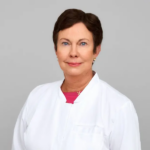
dr Natalia Lobanovskaya
Ophthalmologist
Kvartal Clinic – Specialist Medical Care and Occupational Health, Rävala Clinic – Specialist Medical Care and Occupational Health
-
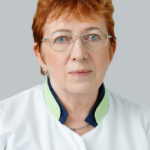
dr Riina Meesak
Ophthalmologist
Kvartal Clinic – Specialist Medical Care and Occupational Health, Jalgpalli kliinik




Payment & Appointment Info
Prices
Tallinn
| Service | Price |
|---|---|
| Visit fee Added to the appointment fee. | 20 € |
| Ophthalmologist appointment | 97 € A visit fee is added to the price. |
Everywhere else in Estonia
| Service | Price |
|---|---|
| Visit fee Added to the appointment fee. | 13 € |
| Ophthalmologist appointment | 77 € A visit fee is added to the price. |
Payment methods
Meliva Health Insurance covers this service under Outpatient Care coverage. Check your personal coverage limits in the ERGO app.
The service at Tartu Kvartal clinic is funded by the Health Insurance Fund. To book an appointment funded by the Health Insurance Fund, please call +372 605 1500 or write to klienditugi@meliva.ee.
A visit fee may be added to the cost of treatment. Familiarize yourself with Meliva’s policy on charging visit fees.
Referral
You can book this service as a self-paying patient without a doctor’s referral.
Who is this appointment for?
An ophthalmologist appointment is for adults and children who have vision or eye problems.
No referral is needed – you can book an appointment on your own initiative.
An ophthalmologist appointment is suitable for both existing health problems and for prevention.
The service does not replace emergency medical intervention for acute eye injuries or sudden vision loss.
Clinics offering this service
-
-
Open

-
Open


Frequently Asked Questions
Who is an ophthalmologist?
An ophthalmologist is a doctor who specializes in the diagnosis, treatment, and prevention of eye diseases and vision disorders, helping to preserve and improve vision.
When should I see an ophthalmologist?
It is recommended to see an ophthalmologist if your vision worsens, your eyes are red or painful, you experience dryness or watering, or if you have diabetes or a family history of eye diseases.
Do I need a referral for an ophthalmologist appointment?
No, you can come to an ophthalmologist appointment without a referral, on your own initiative.
What happens during an ophthalmology consultation?
During the consultation, your visual acuity is checked, your eye pressure is measured, the external parts of your eyes are examined, and, if necessary, the back of your eye is examined.
What diseases does an ophthalmologist treat?
An ophthalmologist treats glaucoma, cataracts, conjunctivitis, diabetic retinopathy, macular degeneration, eye injuries, and prescribes glasses and contact lenses.