Septoplasty
Septoplasty is an operation to correct a deviated nasal septum. A deviated septum obstructs normal breathing, causes recurrent sinusitis, and snoring. During the operation, the septum is straightened, which improves the free passage of air through both nostrils.
Text reviewed by specialist:

Ear, nose, and throat specialist, Somnologist
Published
Text updated
When to see a specialist
- Persistent nasal congestion: A deviated nasal septum can obstruct airflow in the nose and cause persistent nasal congestion.
- Difficulty breathing through the nose: Due to a deviated nasal septum, nasal breathing may be worse, especially during exercise and when lying down.
- Snoring and poor sleep: A deviated septum can cause nocturnal mouth breathing, which contributes to snoring and worsens overall sleep quality. Nosebleeds and frequent infections: In rare cases, a deviated nasal septum can disrupt normal airflow in the nose and promote nosebleeds and frequent rhinosinusitis.
Common symptoms
-
Daytime fatigue
Daytime fatigue with no clear cause. -
Difficulty breathing through the nose
Difficulty breathing through the nose may be caused by a deviated nasal septum. -
Nasal congestion
If your nose is constantly blocked, it may be a sign of a chronic problem. -
Snoring and sleep apnea
Snoring or sleep apnea symptoms that affect sleep quality.
How to prepare for your appointment
- Bring your ID card or other identification document to the clinic.
- Before the operation, an ENT consultation is necessary to assess the suitability of the operation.
- Always inform the doctor about all your medications, supplements, and allergies. Blood-thinning medications should not be used for at least 14 days before surgery or as directed by your doctor. Omega-3 and cod liver oil supplements increase the risk of bleeding and should be avoided 14 days before surgery.
- Come for the operation only when completely healthy. There should be no fever, acute cough, or rhinitis at the time of the operation. Inform the clinic if you have fallen ill.
What to expect during your appointment
Consultation
Before the operation, an ENT consultation is necessary to assess the general health condition and the suitability and necessity of the operation.
On the day of the operation
Before the operation under general anesthesia, you must not have eaten for at least 6 hours and not drunk for at least 4 hours.
Operation
Septoplasty is mostly performed under general anesthesia and often together with turbinate reduction. During the operation, splints are placed in the nose, which are removed after 5-7 days. After the operation: After the operation, the patient is monitored for a few hours in the recovery room. Septoplasty is a day surgery operation, and you can go home on the same day.
Recovery
Recovery from septoplasty is generally quick, and most people can return to their usual activities within about a week. For faster recovery, it is recommended to perform nasal rinses at home and use nasal oils or nasal ointments.
Follow-up
About a week after the operation, a follow-up visit takes place, during which the supporting splints are removed from the nose and healing is assessed.
Specialists providing this service
-
 dr Anne-Ly Miggur
Ear, nose, and throat specialist
Kvartal Clinic – Specialist Medical Care and Occupational Health
-
-
dr Kristel Kivisild
Ear, nose, and throat specialist
Kvartal Clinic – Specialist Medical Care and Occupational Health
-
dr Marina Tšerkassova
Ear, nose, and throat specialist
Jalgpalli clinic, Ülemiste Health Centre, Rävala Clinic – Specialist Medical Care and Occupational Health
-
dr Risto Vaikjärv
Ear, nose, and throat specialist, Somnologist
Rävala Clinic – Specialist Medical Care and Occupational Health
-
dr Sirje Teppo
Ear, nose, and throat specialist
Kvartal Clinic – Specialist Medical Care and Occupational Health
-




Payment & Appointment Info
Payment methods
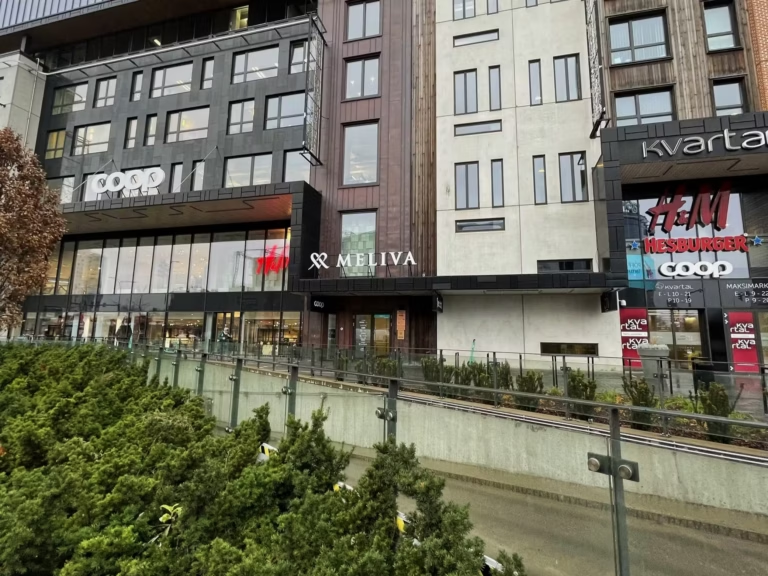
The service at Tartu Kvartal clinic is funded by the Health Insurance Fund based on a referral. To book an appointment funded by the Health Insurance Fund, please call +372 605 1500 or write to klienditugi@meliva.ee.
Referral
An appointment with a specialist is required first to assess whether the service is suitable or necessary.
Clinics offering this service



Frequently Asked Questions
Do all nasal septum deviations need correction?
Small nasal septum deviations are very common, and if they do not cause symptoms, their correction is not necessary.
When can I return to work or school?
Most people can return to their usual activities within about a week, but strenuous physical activity should be avoided for a couple of weeks.
Does septoplasty help with snoring?
If snoring is caused by nasal airway obstruction, septoplasty can help improve breathing and reduce snoring. However, not all causes of snoring are related to the nasal septum.
Will there be scars after septoplasty?
Septoplasty incisions are made inside the nose, so there will be no external scars.