Massage
Massage helps to relax tense muscles, improve circulation, and support the body’s recovery. It is well-suited for both relieving stress and reducing chronic pain, offering deep relaxation and a better sense of well-being.

When to see a specialist
- Fatigue and lack of energy
- Muscle tension and pain (e.g., in the neck, shoulders, back)
- Headaches and migraines related to muscle tension
- Stress and anxiety
- Sleep problems
- Poor circulation
- Recovery after physical exertion or sports injuries
- Posture problems
- Chronic pain
- Joint stiffness
- General relaxation and well-being
Common symptoms
-
After physical exertion
To speed up muscle recovery. -
Chronic headaches
Especially if they are related to neck or shoulder tension. -
Fatigue and lack of energy
If you feel exhausted and need a boost. -
Muscle tension
If you feel constant tension in your neck, shoulders, or back. -
Posture problems
If you notice changes or irregularities in your posture. -
Stress and anxiety
If you constantly feel tense and need to relax. -
Worsening sleep quality
If you have difficulty falling asleep or your sleep is interrupted.
How to prepare for your appointment
- Arrive a little early to prepare calmly.
- It is recommended to shower before the massage.
- Avoid large meals and caffeinated drinks right before the massage. Drink plenty of water after the massage.
- Wear loose and comfortable clothes. Remove jewelry.
- Think about any questions or problems you want to discuss with the massage therapist.
- Inform the massage therapist about your health condition, allergies, and medications.
What to expect during your appointment
Discussion
We will fill out a form about your health and discuss your complaints and goals.
Massage
The massage therapist will choose massage strokes and techniques based on your problem and needs. They will adjust the pressure and techniques during the session based on your feedback and how you feel.
Counseling
After the massage, the therapist will, if necessary, provide recommendations for further care, exercises, and improving your well-being to support your health.
Specialists providing this service






Payment & Appointment Info
Prices
Tallinn
| Service | Price |
|---|---|
| Massage The appointment lasts up to 35 minutes. | 60 € Includes a visit fee of 20 €. |
| Massage The appointment lasts up to 60 minutes. | 75 € Includes a visit fee of 20 €. |
Everywhere else in Estonia
| Service | Price |
|---|---|
| Massage The appointment lasts up to 35 minutes. | 53 € Includes a visit fee of 13 €. |
| Massage The appointment lasts up to 60 minutes. | 68 € Includes a visit fee of 13 €. |
Payment methods
With a doctor’s referral, Meliva Health Insurance covers this service under Rehabilitation coverage. Check your personal coverage limits in the ERGO app.
Referral
You can book this service as a self-paying patient without a doctor’s referral.
Who is this appointment for?
Massage is suitable for most people, but not for everyone.
Contraindications may include:
- acute inflammatory diseases and fever
- viral illnesses
- skin diseases
- skin diseases in the massage area
- deep vein thrombosis
- malignant tumors
recent injuries or surgeries.
If you are pregnant, it is good to avoid massage during the first trimester (risk of miscarriage).
Massage is for people who have muscle tension, pain, stress, or who want general relaxation.
Massage is safe when performed by a qualified and experienced massage therapist.
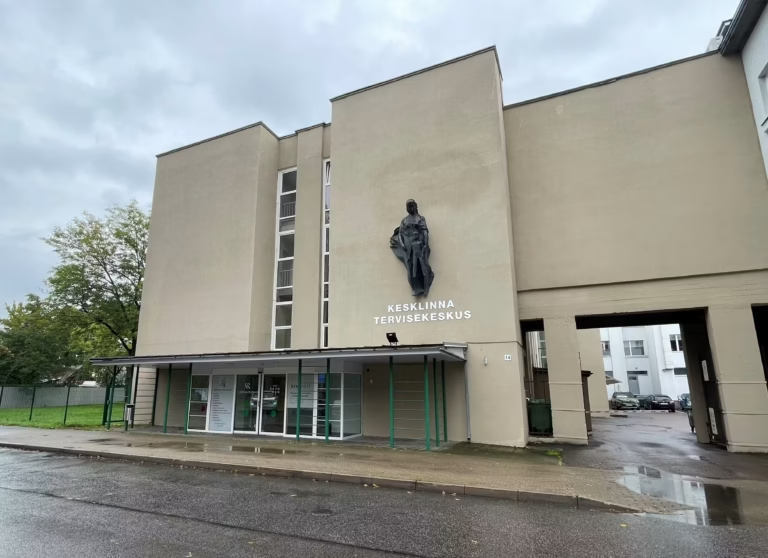
Clinics offering this service




Frequently Asked Questions
Is massage painful?
Some sensitivity is normal, but the pain should not be unbearable. The massage therapist will adjust the pressure according to your sensitivity.
How long does a massage session last?
A massage session usually lasts 30–90 minutes, depending on the type of massage and your needs.
How often should I get a massage?
For general well-being and relaxation, we recommend getting a massage 1-2 times a month. For tension and minor issues, once a week or as needed can be helpful. For more serious or chronic problems, it is advisable to undergo a course of massage, which is a therapeutic approach involving regular sessions (e.g., twice a week) over a specific period. The massage therapist will help you find a suitable plan based on your condition and goals.
Does massage help with pain?
Yes, massage helps to relieve muscle pain, tension, and stress, and it improves blood circulation, lymph circulation, and sleep quality.
Do I need a referral for a massage?
A referral is not usually needed for a massage.
What should I do after a massage?
After a massage, you should drink water, rest, and avoid strenuous physical activity on the same day.