Gastroscopy
Gastroscopy is an important diagnostic procedure in which a thin, flexible tube (endoscope) with a camera at its tip is passed through the mouth and down the oesophagus. This allows the doctor to visualise the lining of the upper digestive tract and identify inflammation, ulcers, polyps, or other abnormalities. The procedure is quick and provides valuable information about the condition of the digestive tract.
When to see a specialist
Gastroscopy ordered by a doctor can help diagnose and investigate the following concerns:
- Persistent heartburn and acid reflux (reflux disease)
- Chronic abdominal pain or discomfort in the upper abdomen
- Nausea and vomiting with no identified cause
- Difficulty swallowing or pain when swallowing
- Unexplained weight loss
- Gastrointestinal bleeding (blood in vomit or black stool)
- Anaemia
- Suspected ulcers, inflammation, or tumours
- Diagnosis of coeliac disease
Common symptoms
Your doctor may refer you for a gastroscopy if you experience any of the following symptoms:
-
Blood in vomit, stools, or black stools
These are serious symptoms indicating gastrointestinal bleeding and require urgent medical intervention. -
Chronic diarrhea or constipation
If the rhythm of bowel movements has significantly changed over a longer period and it interferes with your daily life. -
Chronic nausea or vomiting
It is especially important to seek advice if the symptom occurs for an unknown reason or persists, as it can lead to dehydration. -
Chronic upper abdominal pain
If the pain is long-lasting and interferes with daily life. -
Difficulty swallowing or pain when swallowing
If you feel that food is getting stuck in the esophagus or swallowing is painful, and the symptoms do not resolve on their own within a few weeks. -
Heartburn or reflux
If they occur frequently or cause difficulty swallowing. -
Unexplained nausea and vomiting
If these symptoms persist and their cause is unknown. -
Unexplained weight change
If body weight increases or decreases without a clear reason.
How to prepare for your appointment
- Fasting — You must not eat or drink for at least six hours before the procedure. An empty stomach ensures good visibility of the mucosal lining and reduces the risk of stomach contents entering the airways.
- Medications — Inform the referring doctor of all medications you are taking. Some medications, particularly blood thinners, may need to be temporarily stopped before the procedure.
- Allergies — Let your doctor know about any known allergies, especially to medications.
- Someone to accompany you — If you are having the procedure under sedation, you must have someone with you to take you home afterwards. You must not drive following sedation.
- Questions — Think through any questions you may have about the procedure and raise them with your doctor beforehand.
What to expect during your appointment
Preparation
You will be received and the procedure will be explained to you. Sedation may be offered if needed.
Anaesthesia
A numbing spray and/or gel is applied to the throat area. The choice depends on patient preference and is agreed upon before the procedure.
Procedure
You will lie on your left side and a protective mouthguard will be placed between your teeth and gums. The doctor carefully passes the endoscope through the mouth into the oesophagus, stomach, and duodenum. The doctor assesses the mucosal lining on a monitor via the camera.
Biopsy (if needed)
If needed, small tissue samples (biopsies) may be taken from the mucosal lining for further analysis. This is painless.
Monitoring
If intravenous medication was administered, you will be observed for a short time in a recovery area afterwards.
Specialists providing this service
-

-
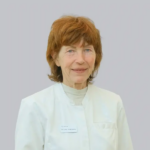
dr Liina Viidebaum
Gastroenterologist
Rävala Clinic – Specialist Medical Care and Occupational Health

Payment & Appointment Info
Prices
Tallinn
| Service | Price |
|---|---|
| Gastroscopy The need for and suitability of the procedure will be assessed during a prior consultation with a specialist in Meliva, and the decision to proceed will be made jointly with the specialist. | 250 € |
| Endoscopic removal of polyps (polypectomy) – up to 5 polyps The need for and suitability of the procedure will be assessed during a prior consultation with a specialist in Meliva, and the decision to proceed will be made jointly with the specialist. | 95 € |
| Endoscopic injection therapy The need for and suitability of the procedure will be assessed during a prior consultation with a specialist in Meliva, and the decision to proceed will be made jointly with the specialist. | 95 € |
| Placement of a clip during endoscopy The need for and suitability of the procedure will be assessed during a prior consultation with a specialist in Meliva, and the decision to proceed will be made jointly with the specialist. | 95 € |
Everywhere else in Estonia
| Service | Price |
|---|---|
| Gastroscopy The need for and suitability of the procedure will be assessed during a prior consultation with a specialist in Meliva, and the decision to proceed will be made jointly with the specialist. | 250 € |
| Endoscopic removal of polyps (polypectomy) – up to 5 polyps The need for and suitability of the procedure will be assessed during a prior consultation with a specialist in Meliva, and the decision to proceed will be made jointly with the specialist. | 95 € |
| Endoscopic injection therapy The need for and suitability of the procedure will be assessed during a prior consultation with a specialist in Meliva, and the decision to proceed will be made jointly with the specialist. | 95 € |
| Placement of a clip during endoscopy The need for and suitability of the procedure will be assessed during a prior consultation with a specialist in Meliva, and the decision to proceed will be made jointly with the specialist. | 95 € |
Payment methods
Meliva Health Insurance covers this service under Preventive Care coverage. Check your personal coverage limits in the ERGO app.
With a doctor’s referral, Meliva Health Insurance covers this service under Outpatient Care coverage. Check your personal coverage limits in the ERGO app.
Referral
A doctor’s referral is required to book this service.
Who is this appointment for?
Gastroscopy is intended for diagnosing upper digestive tract problems in adults and adolescents.
In children, gastroscopy is performed on referral from a paediatric gastroenterologist and under specialised conditions.
Referral is made by a General Practitioner or other medical specialist.
Gastroscopy is generally a straightforward procedure, but as with any medical intervention, it carries certain risks and contraindications, of which your doctor will inform you.
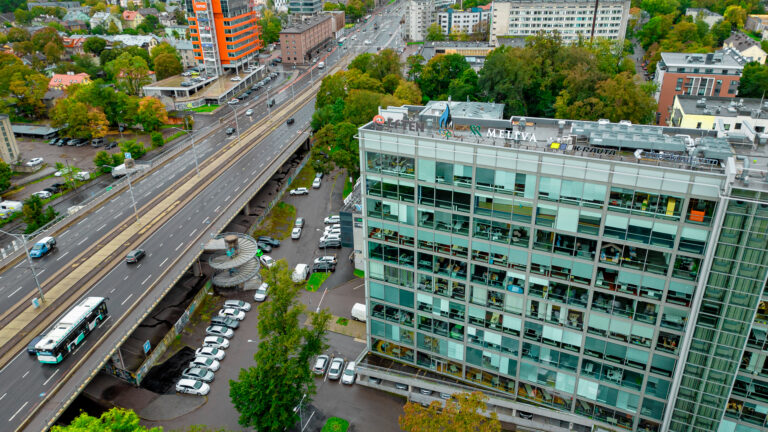
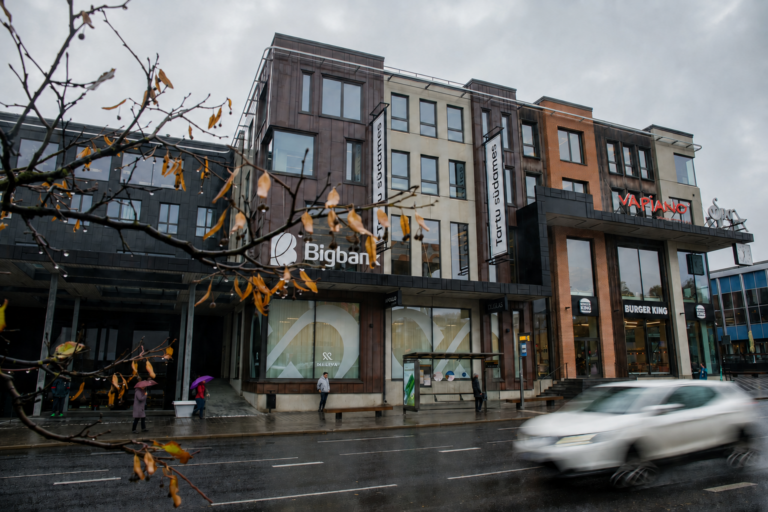
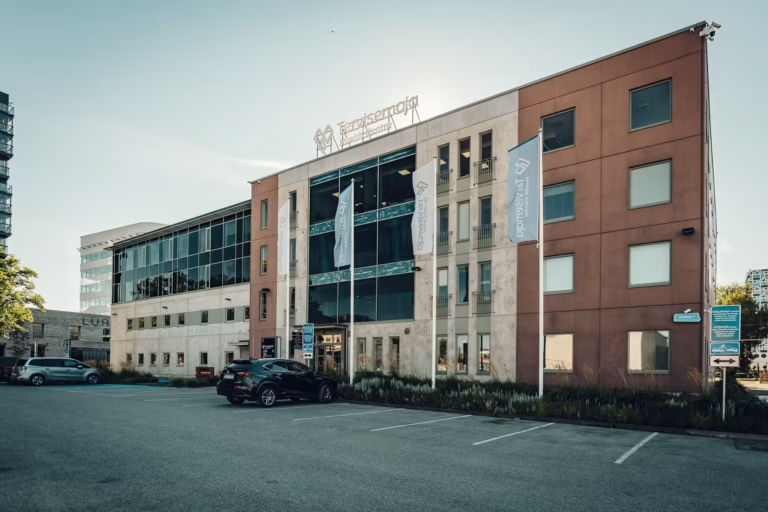
Clinics offering this service

Frequently Asked Questions
What is gastroscopy?
Gastroscopy is a medical procedure in which a thin, flexible tube is used to examine the oesophagus, stomach, and duodenum in order to detect diseases and changes in the mucosal lining.
Is gastroscopy painful?
Gastroscopy is not usually painful, but it can be uncomfortable. The throat can be numbed on request, and sedation is available if needed to help you relax and reduce discomfort.
How long does gastroscopy take?
The procedure, including preparation, typically takes 10–20 minutes.
What can I eat and drink after gastroscopy?
After gastroscopy, you can usually eat and drink once the numbing has worn off and swallowing feels normal — this generally takes around 30 minutes. Avoid very hot or spicy foods initially.
Do I need a referral for gastroscopy?
Yes, a referral is required for gastroscopy, as it is a specific diagnostic procedure whose necessity is determined by a doctor.