Kaspar Kork, Former Head of Retail Banking at Luminor, Appointed Head of B2B Sales at Meliva
According to Marja-Liisa Alop, CEO of Meliva, expanding cooperation between employers and healthcare providers has become increasingly essential for preserving the health of the working-age population and improving access to tailored healthcare services for employees.
“An increasing number of employers recognize that investing in employee health is a cornerstone of a company’s long-term success. Our goal is to make finding and using suitable health services as effortless as possible, offering solutions based on the actual needs of businesses and their teams. Kaspar’s extensive background in leading large, customer-centric business units will help us strengthen our partnerships with employers and deliver an even higher level of service,” Alop explained.
Kaspar Kork sees significant potential in developing Meliva’s sales by deepening client relationships and providing comprehensive healthcare solutions that help companies better safeguard their employees’ health and work ability.
“Meliva has a strong medical team and a wide portfolio of healthcare services. My experience has shown that successful collaboration starts with understanding client needs and fostering long-term relationships. My aim is to develop Meliva’s sales operations so that we can better grasp employers’ expectations, offer the most fitting solutions for them and their employees, and ensure working with us is as seamless as possible,” Kork stated.
Kaspar Kork previously headed retail banking at Luminor Estonia, overseeing a team of more than 100 professionals. Prior to that, he led the Estonian Investment Agency at Enterprise Estonia and formerly managed the pension fund sales team at LHV. Kork studied thermal engineering and business administration at Tallinn University of Technology (TalTech).
Meliva is Estonia’s leading healthcare provider, offering a comprehensive range of health services to both private and corporate clients. With 30 years of experience, the company operates an Estonia-wide network of 23 clinics, five mobile health units equipped with specialized medical equipment, and a Digital Clinic for remote consultations. Meliva is part of Mehiläinen, an international healthcare group operating in Finland, Estonia, Sweden, Denmark, Norway, Germany, Lithuania, Romania, and Serbia.
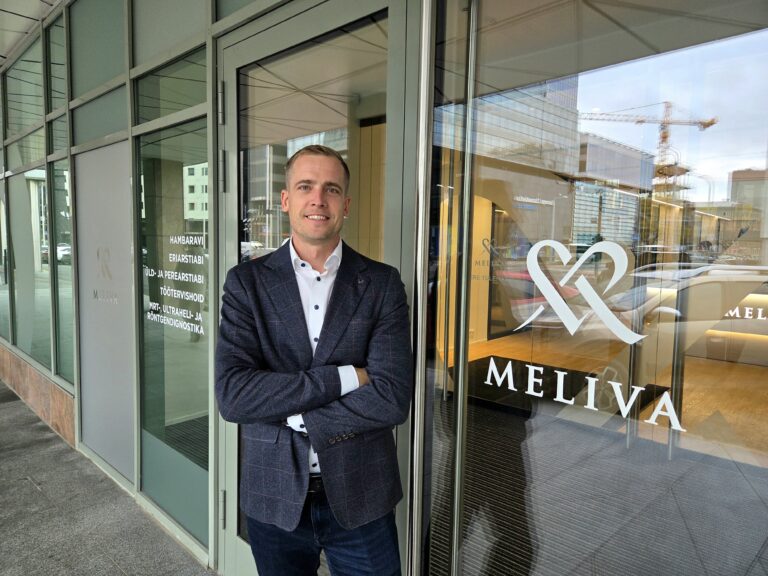
Kaspar Kork, Former Head of Retail Banking at Luminor, Appointed Head of B2B Sales at Meliva
Kaspar Kork, who brings over 15 years of sales and leadership experience, has been appointed Sales...
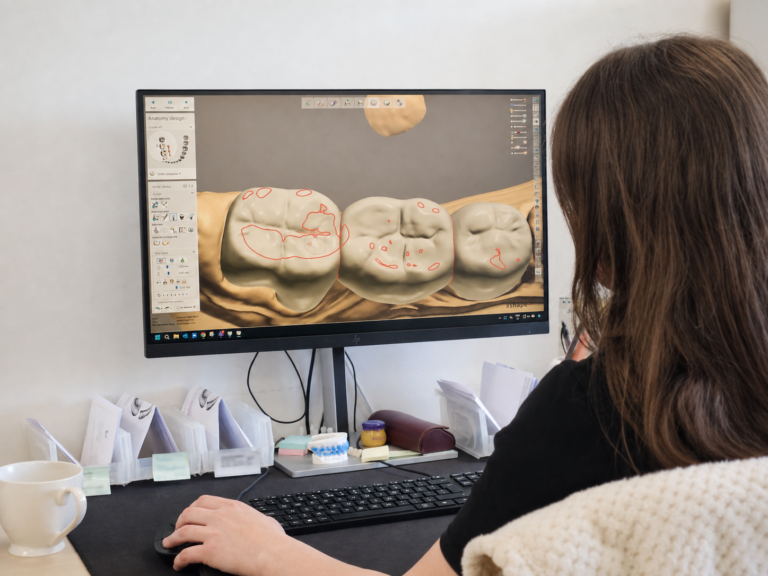
How should removable dentures, dental crowns and orthodontic appliances be cared for?
Fixed dental prostheses, such as crowns and bridges, should be cared for in the same way as your...
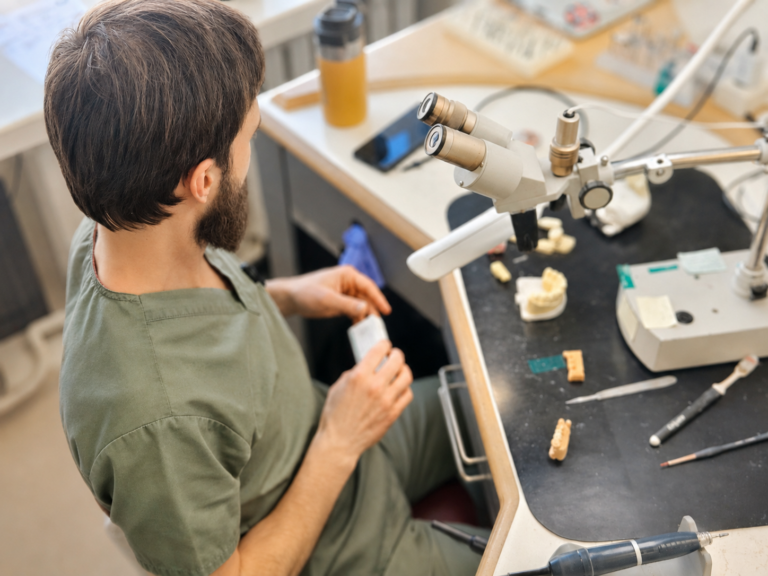
Denture Repairs: When Are They Needed and How Can an Accurate Result Be Ensured?
Removable dentures are designed for daily use, but over time they may require repair or adjustment....
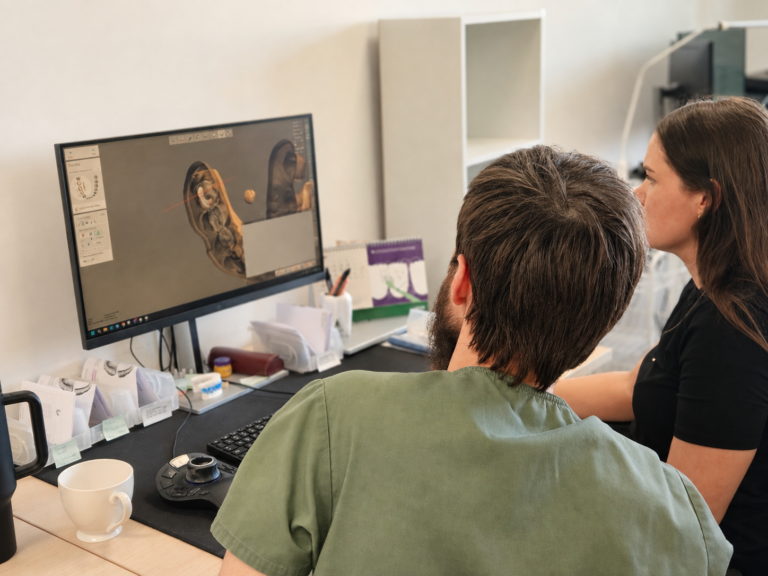
Key Principles for Taking a High-Quality Impression: What Should You Keep in Mind?
An accurate impression is essential for high-quality prosthodontic work. Errors made while taking,...
How to Care for Removable Dentures, Dental Crowns and Orthodontic Appliances?
Fixed dental prostheses, such as crowns and bridges, should be cared for in the same way as your...

Dentist explains: what problems can a stealthy tooth root infection cause?
A root infection is a stealthy condition, capable of quietly destroying tooth roots — and, in...
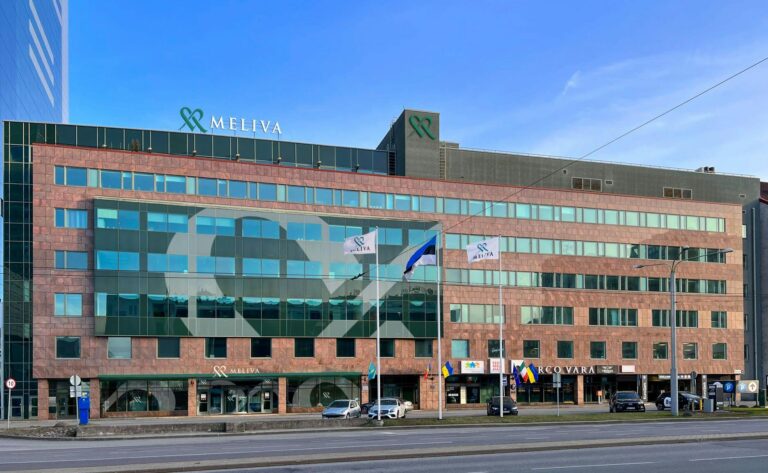
We’re opening a new private medical centre in the heart of Tallinn
We're building a medical centre in the office building at Rävala puiestee 5, where we'll offer the...

What can you do to stop your child from being afraid of the dentist?
How can you prevent a fear of dentist visits from developing in the first place? What can parents...
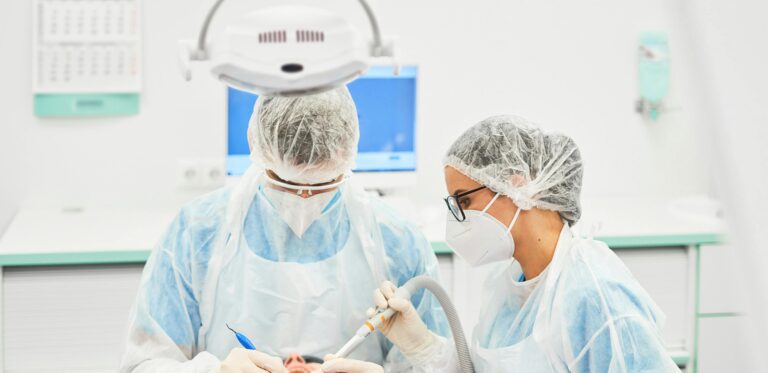
What is the adult dental care benefit?
Since 1 January 2022, we've been a contracted Tervisekassa partner for the adult dental care...

Why is chronic mouth breathing dangerous?
Chronic mouth breathing is dangerous, as it affects oral and overall health, changes facial shape,...