Meliva by the numbers, 2024: over 370,000 visits carried out in total
In 2024, Meliva carried out a total of more than 370,000 visits — close to 1,500 appointments a working day — nearly 10% more than the year before. The largest growth came in specialist care visits (17%) and mental health specialist appointments (24%).
By specialty, the number of visits at Meliva grew fastest in dermatology and aesthetic medicine, where appointment numbers more than doubled year over year in both fields. “We now offer more than 50 health services in total. In 2024, we added allergology-immunology, paediatric surgery, and plastic surgery as new specialties. We also opened Meliva’s first operating suite, which significantly improved access to our day surgery services. We’ll continue diversifying our range of services going forward,” said company CEO Marja-Liisa Alop.
Meliva’s revenue grew 16.4% year over year, reaching €56 million last year. The company’s net profit was €865,000, with investment volume exceeding €8 million. According to Alop, last year’s financial results were most affected by rising labour costs and significant investments made to support further growth.
“In May last year, we opened the Meliva Rävala clinic, at a cost of more than ten million euros — the most modern private medical centre in Estonia. Opening a new clinic covering all of our services in the heart of Tallinn is part of our long-term growth strategy. Our Rävala location was well received in its first few months, but we’re continuing to work on further improving access to specialist care,” Alop noted.
By the end of 2024, Meliva’s headcount had grown to close to 1,000 people. Compared with the year before, the number of doctors working at Meliva grew by more than a fifth. “We’re competing with other countries for talent too. That’s why we’re constantly working to offer a meaningful, caring work environment — one that can help attract Estonian doctors working abroad back home,” Alop explained, adding that around a dozen specialists on Meliva’s team have returned from Finland in recent years.
In 2024, Meliva acquired City Clinics’ dental clinics, adding three new locations to the company. The service is now offered in ten municipalities: Tallinn, Tartu, Pärnu, Jõhvi, Põlva, Võru, Saku, Keila, Kuressaare, and Kärdla. Meliva also offers remote doctor’s appointments through its Digikliinik app, whose user base grew by close to a quarter over the year, reaching 80,000 people.
“Last year, we invested close to half a million euros in digital solutions, since we see this becoming an increasingly important part of delivering quality healthcare. Our parent company Mehiläinen’s digital health technologies are well recognised on the international market. For us, that’s a great opportunity to bring solutions already proven in other countries to Estonia,” Alop said.
She added that digital solutions matter both for private and business clients. “Close to a third of Estonia’s working population goes through their regular health check-up at Meliva. Given that, as an occupational health provider, we’re a partner to a large share of Estonian companies, we also see offering new services to business clients as an important growth opportunity,” Alop said. As an example, she pointed to Meliva’s recently launched health insurance solution and the comprehensive workplace environment analysis service that’s becoming a requirement for all companies.

Meliva by the numbers, 2024: over 370,000 visits carried out in total
We offer more than 50 health services, and carried out close to 1,500 visits a day in 2024 Press...

Prevent cancer according to your genetic risk
Together with Antegenes, Meliva offers an innovative option for personalised cancer prevention,...
Dr Hanna-Friida Konks: high blood pressure can go unnoticed if it isn’t measured
High blood pressure is a health concern that can go unnoticed for a long time, since it often...

Kertu Kuusik takes on the role of Marketing and Communications Director at Meliva
Kertu Kuusik, who brings a diverse professional background, has started as Marketing and...
Dr Liisbet Palm: children’s tooth-change timeline varies widely
When children's baby teeth start wobbling and falling out, it's often a moment of excitement and...

Meliva is looking for a Head Physician of Primary Care to join our team
We're looking for a Head Physician of Primary Care, responsible for developing clinical services...
Dr Märt Mikkal: Estonian men fear urologist appointments needlessly
Urology deals with men's health broadly, but men most often see a urologist for sexual concerns,...

Marjaana Raudmäe: Poor sleep can be a sign that you’ve either moved too little — or too much
Myofunctional therapist and physiotherapist Marjaana Raudmäe explains why movement matters so much...

Hand surgeons: don’t put up with the pain — timely treatment helps prevent more serious problems
Meliva hand surgeons Kristo Kask and Villem Teder explain when, and for which concerns, it's worth...
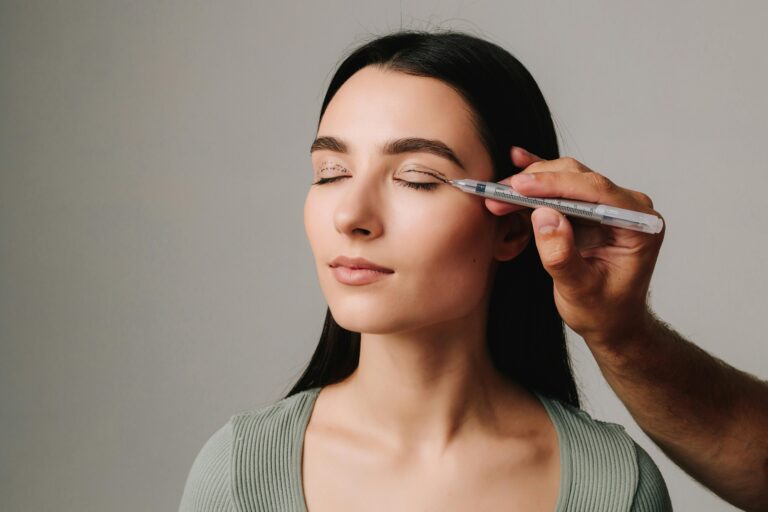
Beauty or health? Plastic surgery helps more than people think
Plastic surgery is often associated with cosmetic operations, like breast augmentation or...