City Clinics dental clinics join Meliva
Meliva is becoming the new owner of City Clinics, a provider offering a wide range of dental care services; the deal will take effect once approval is received from the Competition Authority.
Following the merger, the City Clinics dental clinics operating in Tallinn, Tartu, and Kuressaare will adopt the Meliva brand. The company’s existing key figures will continue at Meliva, alongside a team of close to 80 people.
“We’re excited to be joining Meliva and believe both our doctors and our patients will benefit. Being part of a larger group will let us contribute even more to digital advances in dentistry than before. Meliva’s large existing network of dental clinics, strong management expertise, and the unique opportunity to connect dental care with other essential health services were all factors in our decision,” explained City Clinics CEO Lauri Soopalu.
According to Meliva Chairman of the Board Marja-Liisa Alop, City Clinics joining Meliva marks an important step in the company’s continued strategic growth. “Dental care is one of our core areas, so I’m absolutely delighted to welcome such well-known names in the field to our team. What unites us is a shared commitment to quality, patient-centred care,” Alop noted.
Once the deal takes effect, Meliva will have a total of 24 locations across nine Estonian cities. Alongside dental care, Meliva also offers specialist care, occupational health, and mental health services, making it the private healthcare company with the broadest range of services on the market. The company employs close to 800 people, and last year its clinics recorded a total of 330,000 visits. Meliva is part of the Finnish healthcare company Mehiläinen, which has more than a century of experience.
City Clinics began operating in 2015 under the name CityDental Hambakliinik. In 2022, the company adopted the City Clinics brand, under which it now operates three clinics. The company employs close to 80 people. Its clinics offer a wide range of dental care services, including orthodontics, prosthetics, and complex surgical procedures.

City Clinics dental clinics join Meliva
City Clinics dental clinics, offering dental care services in Tallinn, Tartu, and Kuressaare, are...

Reflections from the Opinion Festival’s Work Life track — with Dr Toomas Põld and Dr Liisi Luht
We're summing up this year's reflections from the Work Life track at the Opinion Festival...

Nutritionist Kaisa Kopliste: “No food label, and no perfectly thought-out meal plan, can ever really know what we need.”
Nutritionist Kaisa Kopliste sees patients at Meliva's Rävala...
Are apples good or bad for your teeth? Dr Helen Rosenfeld explains
Dr Helen Rosenfeld, dentist at Meliva's Kaarli and Saku clinics, offers an overview of how eating...

Expert: seeing a psychologist should be as routine as visiting the dentist
Why is it worth checking in with a psychologist regularly, how do you find the right specialist,...
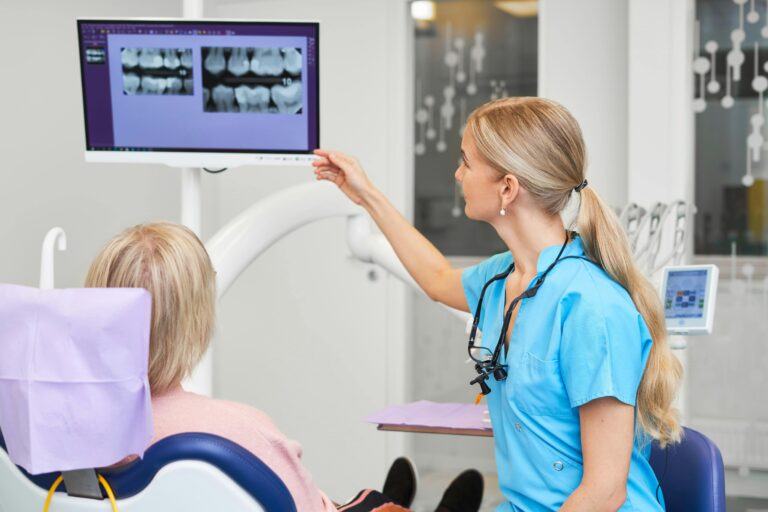
NEW: We now offer employer health insurance for business clients
Health insurance designed for employees ensures fast access to medical...

Mental health services now even more conveniently accessible
Meliva's mental health services in Tallinn are now also available at Rävala, Jalgpalli, and...

Walk-in vaccination available in Tallinn on 17 January (flu and COVID-19)
Walk-in vaccination: 17.01, 10:00–16:00, at Meliva Rävala, Jalgpalli, and Ülemiste Tervisemaja...

Flu cases on the rise: we’ve lowered the price of the flu vaccine
The peak of flu season hasn't hit yet — getting vaccinated is a way to protect yourself and your...
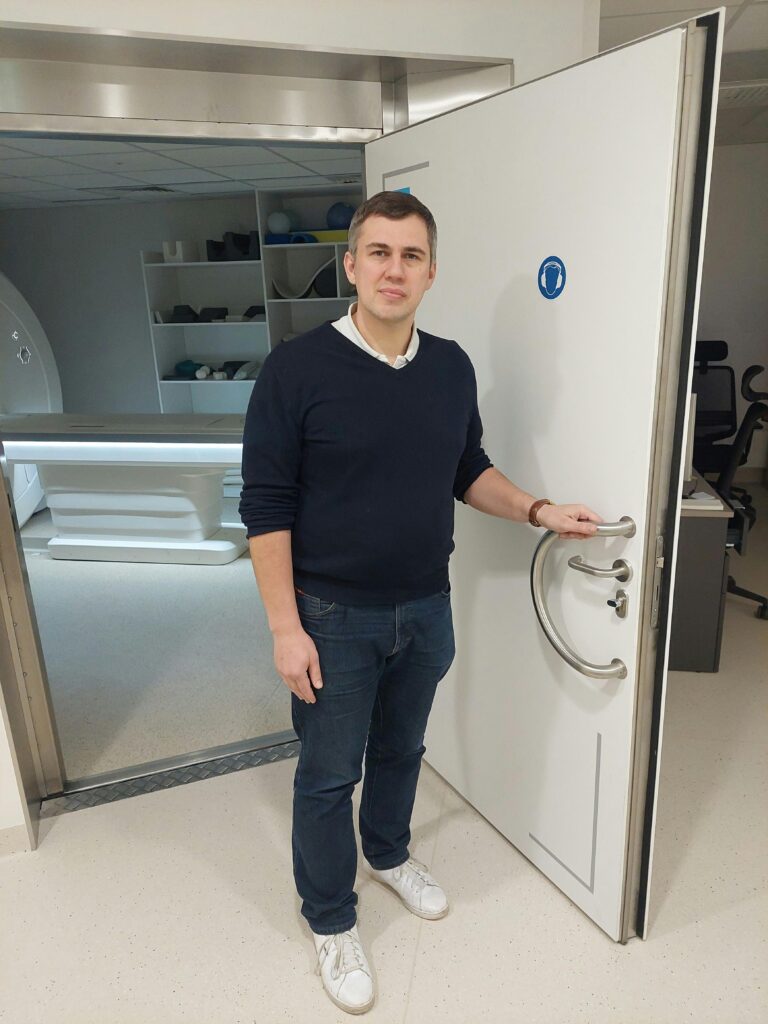
Dr Gert Mikkal: Radiology is increasingly establishing itself as a clinical specialty
Radiology is one of the fastest-evolving fields in medicine, playing a key role in both diagnosing...