Nutritionist Kaisa Kopliste: “No food label, and no perfectly thought-out meal plan, can ever really know what we need.”
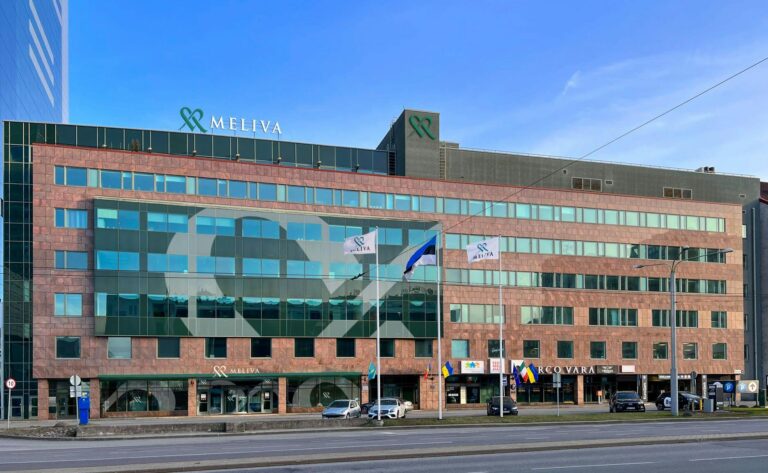
Nutritionist Kaisa Kopliste sees patients at Meliva's Rävala clinic.
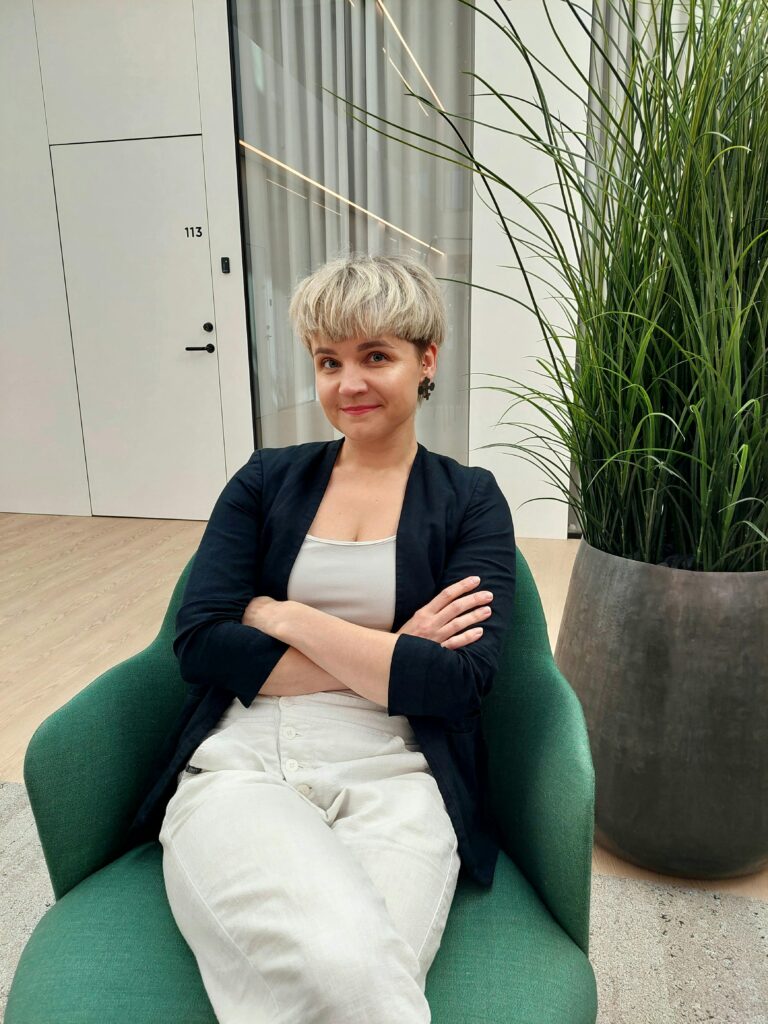
According to Kaisa, food and eating are, in many ways, at the centre of life — they connect people, bring joy, but also stir up plenty of confusion and frustration. “I’ve certainly felt frustrated myself, and I often relate to my clients on that level. It matters to me that I’m not just sitting in my professional chair theorising — I always do my best to genuinely listen to and understand the person in front of me, and help them find solutions.”
With long-standing experience in the food industry, Kaisa first trained as a health coach at the Institute for Integrative Nutrition in New York, and later as a nutritionist in Estonia. She continues developing her knowledge through ongoing training and reading, since there’s no other way to keep up in such a fast-changing field.
One person’s food can be another’s poison
The biggest challenge for a nutritionist today is finding and distinguishing reliable information in the age of information overload. Advice on nutrition comes from every direction, often contradictory and confusing — and these days, anyone can present themselves as an expert. Kaisa helps clients navigate this flood of information by doing thorough research and following new studies. “For people struggling with their eating or their weight, it can seem like if something is written down in black and white, complete with study citations, it must be true. That’s how people end up caught in a tangle of diets and restriction, which in reality creates enormous unnecessary stress and often produces exactly the opposite of the intended result.”
Kaisa acknowledges that navigating this flood of information, reading critically, and researching has essentially become a full-time job for her. “I have the time to go deep, but since new information keeps coming in constantly, I can never claim to have a monopoly on the truth. So much depends on individual differences — one person’s food can be another person’s poison.”
Kaisa’s goal is to gradually pull people away from this flood of information and guide them back toward listening to their own bodies, since no label and no carefully designed meal plan can ever really know what we individually need. “Our bodies have well-developed signals for exactly this purpose. Hunger and appetite aren’t enemies to be suppressed — they’re guidance our bodies give us to help keep us alive and healthy,” she notes.
Kaisa welcomes clients who are ready to rethink their assumptions and want to support their body through nutrition, rather than force it into a socially acceptable mould. “Sometimes people come wanting me to put together a meal plan with a fixed calorie count and tell them exactly what and when to eat. But in those cases, I have to be honest — I don’t believe in one-size-fits-all solutions. I also don’t believe BMI is a meaningful measure of health. In fact, for people struggling with their weight, my first piece of advice is usually to put the scale away somewhere out of sight.”
Autumn is here — how can we support our body and mind through nutrition as the darker season arrives?
“Autumn’s arrival means slightly different things to different people — for some, it marks the end of a long summer holiday and the start of work and school stress; for others, it’s a chance to rest after summer adventures and settle back into a home routine. One thing that’s certain for everyone, though, is that homegrown garden produce is ripening. For anyone without a garden of their own, I’d recommend inviting yourself over to a friend’s — apples and courgettes tend to be in surplus for pretty much every home gardener. Pottering around the garden and harvesting produce is really two things in one: we get a boost of vitality both from the apples, plums, and pears themselves, and from simply spending time outdoors.
While summer berries come with worries about pesticides, produce from your own garden in autumn is a completely worry-free source of vitamins. And if you’ve run out of ideas for what to do with the rest of that courgette, darker evenings are a good excuse to browse food blogs — or, why not, let an AI suggest recipes and adapt them to your taste through conversation. That’s been my favourite recent solution to the ‘what should I cook today?’ problem.
Even more important than diet, in my view, during the autumn-winter period, is movement and fresh air, since it’s not just the darkness — a lack of movement specifically also weighs heavily on the mind. Movement goals should be realistic — even 10-15 minutes of walking, or five minutes of morning stretching, adds up to a meaningful amount of physical activity over a week. Setting modest goals actually leads to bigger progress, because if your target is a full hour-long run, it becomes much easier to find excuses to skip it after a long workday.
And most importantly — check whether your vitamin D levels are sufficient to get you through winter!”