Anxiety
Anxiety is a natural internal state of tension and the body’s reaction to danger, changes, or emotionally significant situations.
Possible causes
- Prolonged stress or overload
- Life changes, such as changing jobs, a breakup, or the birth of a child
- Previous experiences and unresolved emotional tensions
- Lack of sleep and an irregular lifestyle
- Sometimes anxiety may also be caused by physical health concerns, such as hormonal changes
Should I see a doctor?
Anxiety is a normal reaction in stressful situations and often passes on its own. If anxiety is temporary and does not interfere with daily life, sufficient rest, physical activity, and enjoyable activities can help.
You may seek support from a specialist preventively or when you want to better understand your reactions and learn to cope with anxiety more effectively.
If anxiety lasts for a longer period, intensifies, or begins to interfere with sleep, work, or relationships, it is worth turning to a specialist. Immediate help is necessary if anxiety is accompanied by panic attacks, severe physical distress, or a feeling that you can no longer cope.
Frequently Asked Questions
How does anxiety manifest?
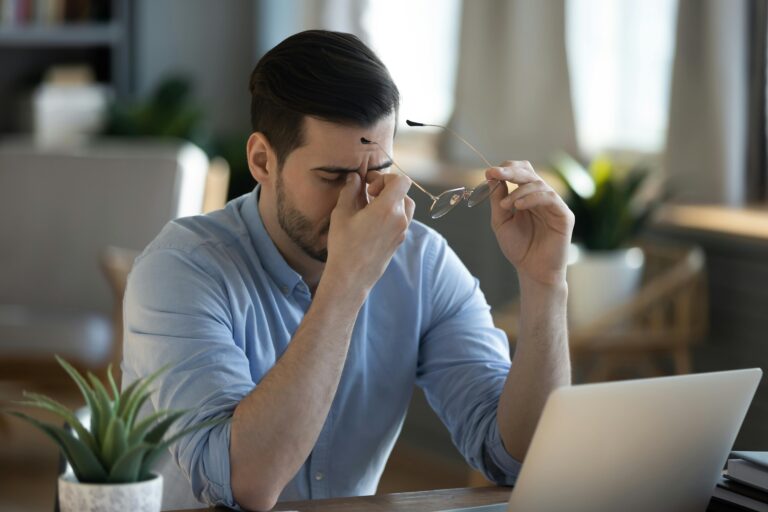
Anxiety may manifest as constant worrying, restlessness, nervousness, and feelings of tension, but also as physical symptoms such as heart palpitations, dizziness, trembling, nausea, and headaches.
Can anxiety occur without a reason?
Anxiety may seem to arise without a clear reason, but often there are underlying factors behind it, such as prolonged stress, fatigue, or accumulated tension. The body and mind also react when we ourselves are not consciously aware of the cause.
Does anxiety go away on its own?
Milder anxiety may pass on its own, but in the case of persistent or severe anxiety, it is reasonable to seek support from a specialist.
Can I do something myself to reduce anxiety?
Yes, simple everyday habits such as physical activity, regular sleep, and taking breaks can help. Noticing your thoughts and feelings as well as breathing exercises may also be beneficial.
When should I seek help from a specialist?
You can always turn to a specialist preventively and when you want to learn ways to support your well-being. It is definitely worth seeking help if anxiety lasts for a long time, intensifies, or interferes with daily functioning.