CO2 laser removal of skin tumors
CO2 laser removal of skin formations is a safe and painless procedure that frees you from unwanted moles, papillomas, and keratoses. The laser completely removes the formation, leaving no scar in most cases. The procedure is quick and effective.

When to see a specialist
- Moles: Benign moles for which removal is medically indicated or desired for cosmetic reasons.
- Papillomas: Benign skin lesions that may affect appearance or cause physical discomfort.
- Keratoses: Benign skin lesions that may become bothersome or irritated.
- Enlarged sebaceous glands: Benign skin changes that may be cosmetically concerning.
- Other benign skin lesions: Skin changes that your dermatologist recommends removing or that cause physical discomfort.
Common symptoms
-
Cosmetically concerning skin lesions
You would like to remove moles, papillomas, keratoses, or other skin lesions that you find cosmetically bothersome. -
Dermatologist’s recommendation
Following a dermoscopic examination, your dermatologist has recommended the removal of a particular mole or skin lesion. -
Uncomfortable skin lesions
Skin lesions rub against clothing or cause other physical discomfort.
How to prepare for your appointment
- Bring your ID card or another identification document.
- Before the procedure, you must first consult a dermatologist, who will examine the formation with a dermatoscope and decide whether it is suitable for laser removal.
- Inform the doctor if you have blood clotting problems, epilepsy, cancer, keloid scar formation, allergies, or if you are taking any medications.
What to expect during your appointment
Dermatologist appointment
The dermatologist will examine the formation with a dermatoscope and confirm its suitability for laser removal.
Anesthesia
A local anesthetic injection is used in the procedure area to ensure painlessness.
Laser removal
The skin formation is completely removed with a CO2 laser.
Aftercare
After the procedure, the removal site is treated antiseptically again and a plaster is applied.
Histological examination
Every removed mole is sent for histological examination (performed by PERH) and images are saved in the Dermtest program. The examination is a separately charged service.
Healing
After removal, a crust forms on the skin, which disappears within approximately 7–10 days (avoid removing the crust yourself).
Specialists providing this service
-

-
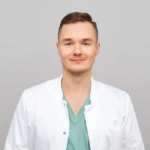
dr Henri Maalmann
resident dermatologist
Rävala Clinic – Specialist Medical Care and Occupational Health
-
-
-
-
-
-
-
-








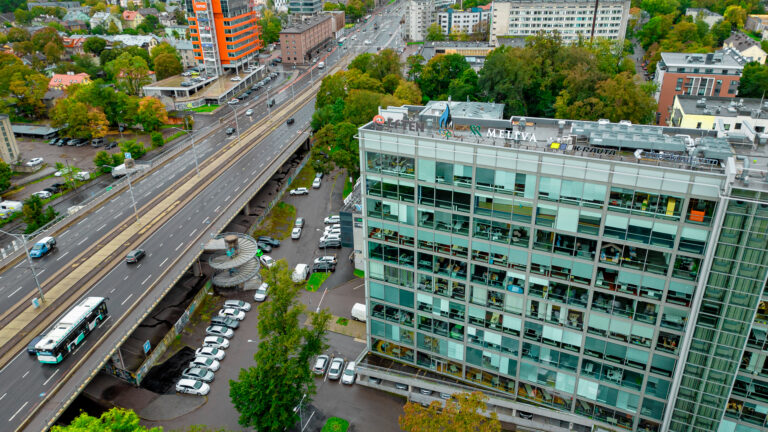
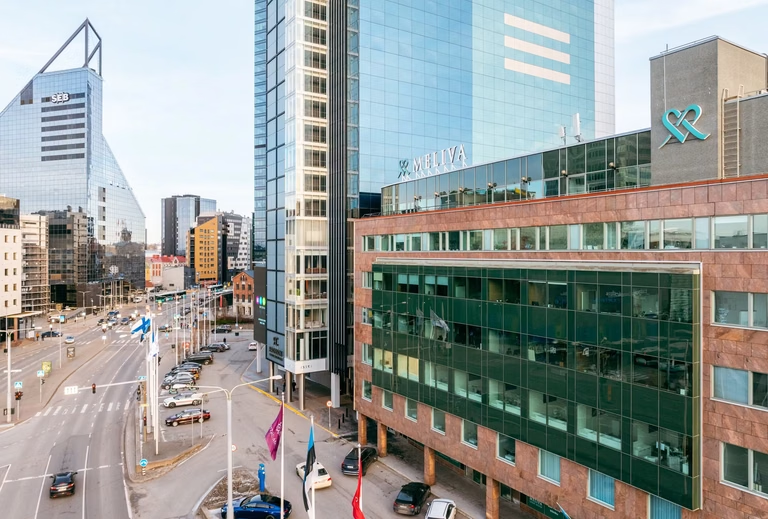
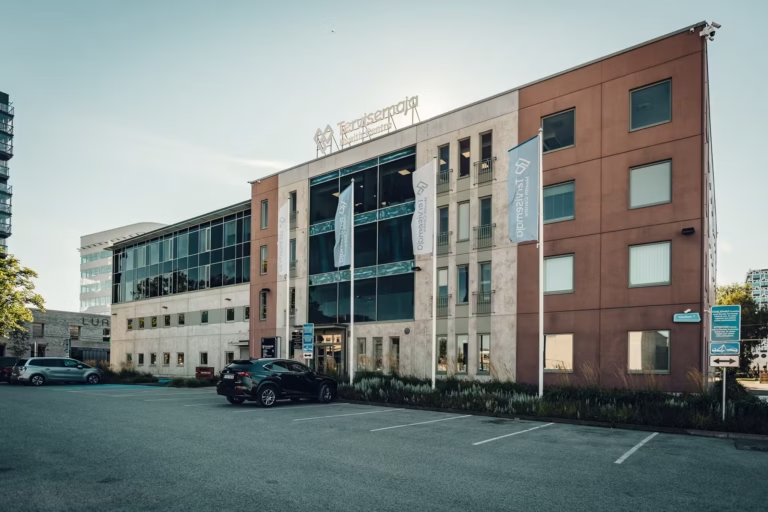
Clinics offering this service

Frequently Asked Questions
Is the procedure painful?
No, the procedure is painless as a local anesthetic injection is used in the area.
Will there be a scar after the procedure?
The laser completely removes the skin formation, leaving no scar in most cases.
Why is a dermatologist consultation needed beforehand?
The dermatologist examines the formation with a dermatoscope to ensure its suitability for laser removal and to rule out malignancy.
Can all skin formations be removed with a laser?
No, the dermatologist decides, based on a dermatoscopic examination, which formations are suitable for laser removal.
Is histological examination mandatory?
Yes, every mole removal at Meliva includes a histological examination, which is a separately charged service.