Severe period pain doesn’t have to be normal: Laura’s journey to an adenomyosis diagnosis
Laura is one of many women who spent years believing that severe period pain was simply how her body worked.

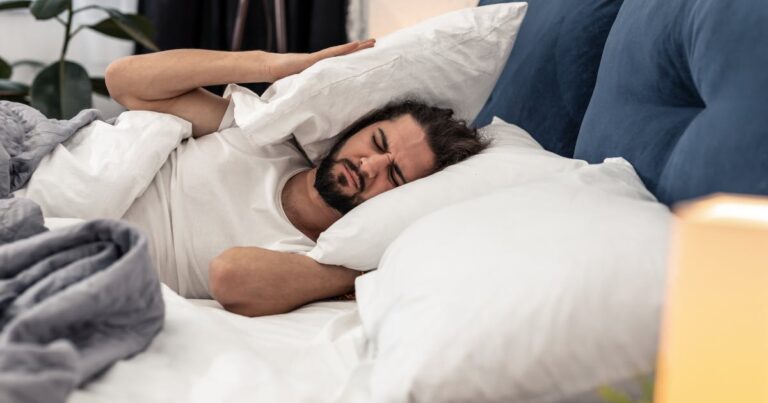
“I figured I must just be one of those people who gets heavier periods,” she thought. Every month, her cycle brought severe pain and very heavy bleeding. The pain often radiated into her lower back and legs, her lower abdomen felt constantly heavy and tense, and she was deeply exhausted no matter how much she slept. “For the first two days of my period, I’d take painkillers with breakfast, lunch, and dinner, and just finding a comfortable position was a challenge,” she recalls.
At some point, though, Laura began to realise just how disruptively her menstrual cycle was affecting her quality of life.
“I started researching gynaecological conditions more, and as I read through the most common symptoms, I found so many parallels with my own experience. I realised there had to be a clear reason behind my severe pain and bleeding,” she says.
It still took her several years to reach a diagnosis, and along the way she had to change gynaecologists more than once.
“When I described my symptoms in the doctor’s office, I was often told that I simply had more painful periods than average. I was prescribed stronger painkillers and the contraceptive pill, but nothing brought the relief I was hoping for,” she says.
Because Laura’s instinct that something remained undiagnosed wouldn’t go away, she once again sought out a new gynaecologist.
“When I laid out my symptoms again from the start at that first appointment, the doctor immediately suspected adenomyosis,” she recalls. Further tests confirmed it. “I remember getting the diagnosis brought me immediate, overwhelming relief. On one hand, of course, it was frightening to learn it was a chronic condition, but mostly I just felt glad that what I was going through finally had a name. I hadn’t imagined all of it, and I’d been right about my own health,” she says.
Meliva gynaecologist Ronja Liis Õun explains that Laura’s experience is very typical of adenomyosis. Adenomyosis is found in roughly 20-30% of women with very painful, heavy periods. In this condition, tissue similar to the uterine lining grows into the muscular wall of the uterus, causing intense, painful periods, heavier and longer bleeding, and often chronic pelvic pain as well.
“Because symptoms develop gradually over the years, many women grow used to them and mistakenly assume they’re normal. Often, women only see a doctor once their quality of life has already declined significantly,” she says. Diagnosis is usually made using ultrasound or MRI, and treatment can help prevent anaemia, chronic pain, and other complications.
Easing Laura’s condition began with hormonal treatment. “Honestly, the start wasn’t easy. My body needed time to adjust, and in the middle of the worst pain, I sometimes found myself wondering whether any of it was actually leading anywhere,” she says. “But after three months, my body started adjusting to the device. The pain eased, the bleeding became more manageable, and my cycle stopped dictating my entire life,” Laura adds.
According to gynaecologist Õun, treatment for adenomyosis is always individual. “Treatment options range from hormonal therapy and pain management to surgical solutions. The goal isn’t just to reduce symptoms — it’s to restore a woman’s day-to-day functioning and quality of life.”
Today, Laura feels her life no longer revolves around her cycle. “I no longer worry, when making plans around my period, about whether I’ll feel well enough not to have to cancel a get-together or skip an event,” she says. “I have more energy and more peace of mind. And most importantly, I feel like my body isn’t working against me anymore.”
Her message to other women is simple: “If period pain or heavy bleeding is disrupting your life, you shouldn’t just silently put up with it. Seeking help isn’t overreacting or a sign of weakness — it’s taking care of your own health.” The gynaecologist echoes the same message: severe, exhausting periods are not normal, and if symptoms persist, it’s always worth seeing a specialist.