Seven questions patients ask most often about dental implants
Meliva dentist and implantologist Dr Ivan Tšernõšev shares the seven questions he hears most often from patients during consultations.

A dental implant is one of the most thoroughly researched procedures in dentistry today, yet many patients still arrive at their first consultation carrying years of doubts and unanswered questions. Meliva dentist and implantologist Dr Ivan Tšernõšev shares the seven questions he hears most often from patients.
1. Does tooth loss also affect young adults?
There’s a common misconception that tooth loss mainly happens to older people. In reality, injuries, chronic disease, and heredity don’t check a person’s age. Athletes, young adults following a dental accident, and people dealing with various health issues lose teeth across every age group — and the problems caused by an unresolved gap start quickly. In fact, bone in that area can begin to shrink within just three months.
Dr Tšernõšev explains: “A tooth acts as an anchor for the bone. Without it, the bone starts to disappear within three months, and treatment becomes more complex with every passing year. That’s why I recommend coming in for a consultation right away, rather than waiting.”
2. What if the doctor has said the bone is too weak?
Bone loss is indeed a common finding after long-term tooth loss, but it doesn’t automatically rule out an implant. Modern implantology offers a range of procedures to rebuild bone volume, which the doctor selects based on the patient’s specific situation.
- Bone grafting, using the patient’s own bone, donor bone, or synthetic materials
- Guided bone regeneration using membranes
- Sinus lift, to raise the floor of the upper jaw
- Immediate-load implants, which don’t require full bone volume
In some cases, PRF technology (Platelet-Rich Fibrin) is also used. This method is based on the patient’s own blood: a small blood sample is taken and used to isolate a growth-factor-rich fibrin material. It’s a 100% biocompatible material that supports tissue healing, reduces the risk of inflammation, and speeds up recovery, helping achieve better and more predictable treatment outcomes.
According to Dr Tšernõšev, weak bone is a solvable problem. “We assess bone condition using 3D X-ray imaging and create an individual treatment plan for every patient. In most cases, we’re able to find a suitable solution even when the situation initially looks complicated.”
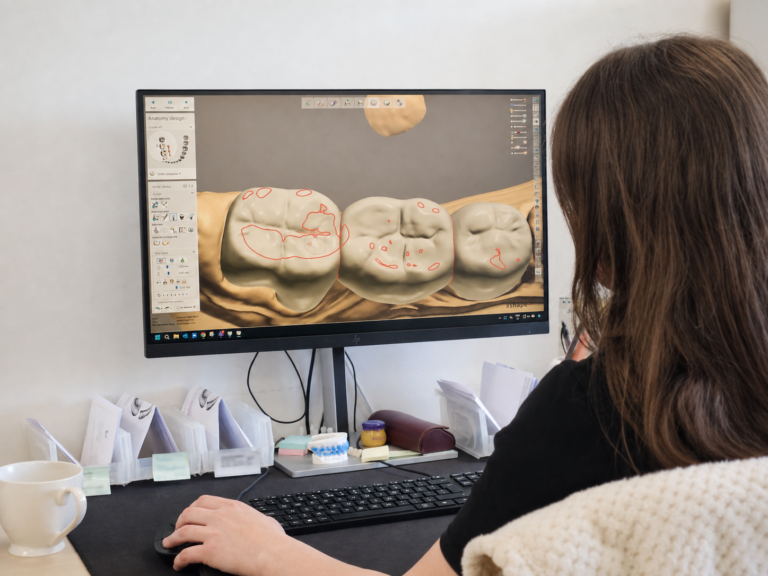
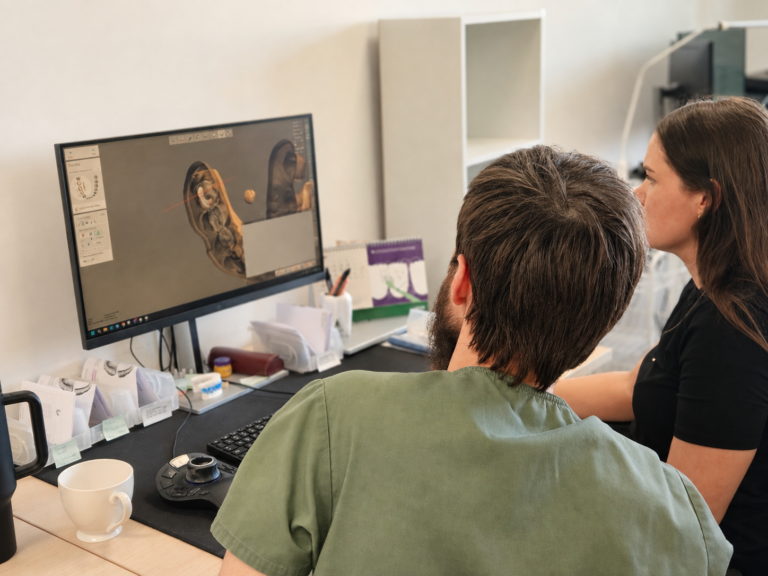
According to the Meliva dentist, the entire implantation process is planned digitally in advance. “We model the implant’s position on a computer, then place the implant in exactly the planned position using a surgical guide. This ensures maximum precision, safety, and a predictable outcome.”
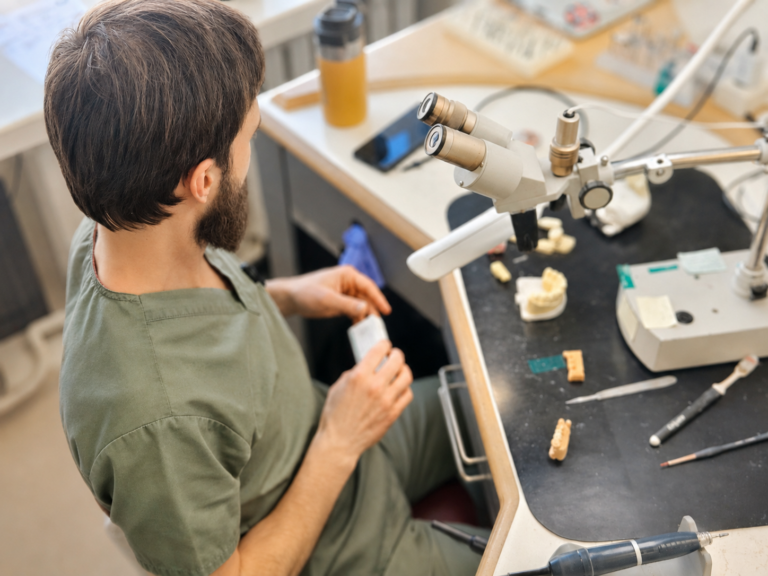
“I approach implantation not just as a surgeon, but as a dental technician too. For me, it’s not enough just to place the implant — the goal is the ideal end result. From the very start, we plan the future crown — its shape, position, and bite load — so there’s enough bone and gum tissue, and the new tooth looks natural and doesn’t stand out from the surrounding teeth. The result isn’t just an implant for the patient — it’s a fully functional, aesthetic tooth that looks and feels like their own,” Dr Tšernõšev described.
3. Does a chronic condition, such as diabetes, heart disease, or high blood pressure, rule out implants?
Modern dentistry no longer treats this as an if-question, but a how-question. Well-managed diabetes, stabilised blood pressure, and heart conditions under regular medical supervision aren’t automatic contraindications for implants. The dentist assesses how well the condition is managed, what medications the patient is on, and works with a cardiologist or endocrinologist where needed.
“Working with a patient who has heart disease doesn’t mean giving up on treatment — it means planning more carefully,” explains Dr Tšernõšev. “In a great many cases, we reach outcomes that patients didn’t believe were possible.”
4. How painful is the procedure, really?
Implant placement is done under local anaesthesia. During the procedure, the patient feels pressure, but not pain. Afterwards, there’s typically 1–3 days of mild to moderate discomfort, which standard-strength painkillers can manage. Swelling subsides within 3–5 days, and most patients can return to normal life the very next day.
According to Dr Tšernõšev, patients’ typical reaction after the procedure is that it was much easier than they’d feared. “Fear is often bigger than reality — and that fear shouldn’t be the reason someone lives with a missing tooth for years,” said the Meliva dentist.
5. How long does the whole process take?
On average, 3–6 months, depending on the complexity of the case. A straightforward implant placement without additional procedures takes 3–4 months; if bone grafting is needed, it can take 6–9 months. In some cases, immediate-load implants allow a tooth to be fitted within just a few weeks.
In certain cases, immediate implantation is possible, where the tooth is extracted and the implant placed during the same visit. In some situations, a temporary crown can also be made and fitted right when the implant is placed.
“Three months can feel like a long time, but in the bigger picture, it’s well worth it,” said Dr Tšernõšev.
6. Can the body reject the implant?
Modern dental implants are made from titanium or zirconium — the same materials used in joint replacements and surgical instruments. They’re biocompatible: rather than being rejected, the body’s bone actively grows around the implant. Today, the success rate of this process exceeds 95%.
The main causes of implant failure are poor oral hygiene, smoking, uncontrolled chronic disease, and overloading the implant during the early healing phase — not a reaction to the material itself.
“A success rate above 95% is higher than for many other medical procedures,” noted Dr Tšernõšev. “That does require correct placement, good oral hygiene, and regular check-ups,” he added.
7. Can dentures do just as well, and are they cheaper?
Removable dentures cost less upfront, but the picture can look quite different over the long run. Dentures place uneven pressure on the jawbone and neighbouring teeth, accelerate bone loss where the tooth is missing, need replacing every 5–10 years, and limit eating and speaking. An implant, which can last 15–25 years without replacement, is often the cheaper option in the end.
“I usually ask patients to think about the total cost over a 10-year horizon,” says Dr Tšernõšev. “It’s also worth considering what it means to eat, speak, and smile with full confidence. An implant gives that freedom back.”