Dental implants
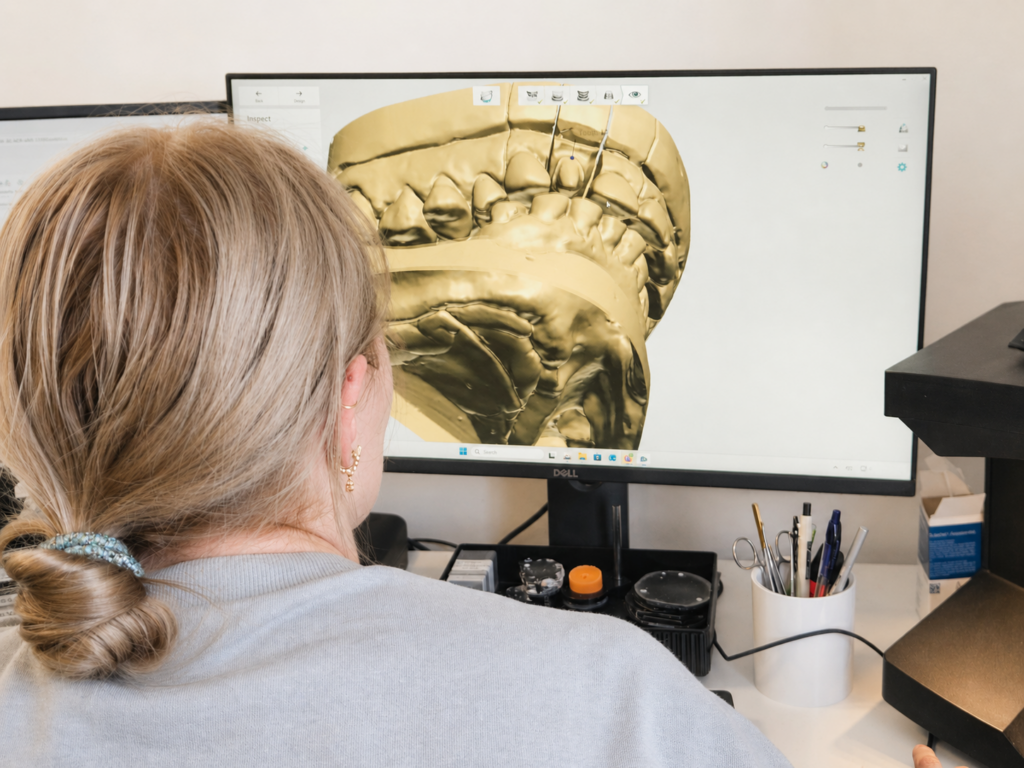
A dental implant is a titanium screw placed into the jawbone, onto which a crown, bridge, or denture is later attached after it has fused with the bone. It acts like a tooth root, providing stability without affecting adjacent teeth.
When to see a specialist
- Dissatisfaction with your smile: Due to missing teeth.
- Unstable removable dentures: Removable prostheses that require better fixation.
- Avoiding grinding down adjacent teeth: An alternative to bridgework that preserves healthy teeth.
Common symptoms
-
Difficulty chewing
Chewing food is uncomfortable or difficult. -
Unclear speech
Missing teeth may affect the clear pronunciation of words.
How to prepare for your appointment
- You may only attend surgery when you are healthy, as the body may struggle to cope with multiple issues during illness and recovery can be more difficult. Surgery will also be cancelled in the case of active cold sores (herpes labialis).
- You should eat a full meal before the procedure. You should also take any medications prescribed for your general health.
- Do not smoke before surgery.
What to expect during your appointment
Initial assessment
Evaluation of oral health and creation of a treatment plan.
Diagnostics
X-rays and 3D computed tomography.
Preparation
The dentist provides instructions for the surgery and recovery.
Surgery
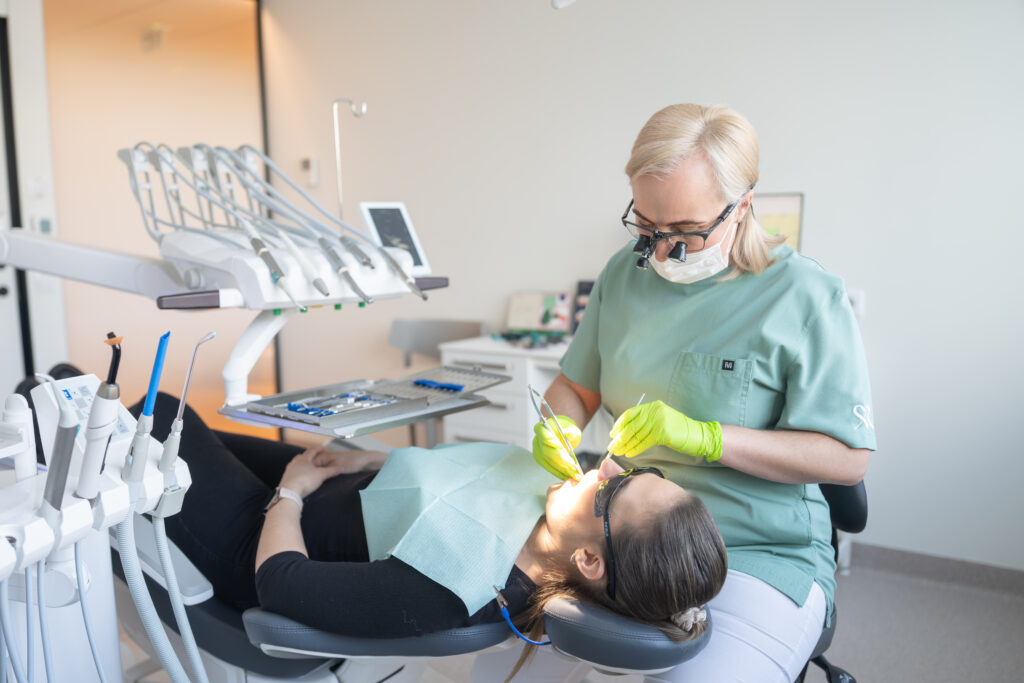
Surgical placement of the implant under local anaesthesia.
Osseointegration
The implant integrates with the jawbone (3–6 months).
Final restoration
Fabrication of the prosthetic crown to restore function and appearance.
Specialists providing this service
-

-
-
-
-
-
-
-
-
-
-
-
-
-
-
-
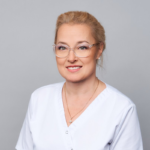
dr Krista Leibak
Dentist, prosthodontist
Kvartal Clinic – Dental Care, Ülikooli tänava Dental Clinic
-
-
-
-
-
-
-
-
-
-
-
-
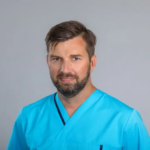
dr Tauri Narits
Oral, maxillofacial, and jaw surgeon
Ülikooli tänava Dental Clinic, Kuressaare Dental Clinic
-
-
-








On the life long mission
Payment & Appointment Info
Prices
Tallinn
| Service | Price |
|---|---|
| Visit fee in dental care Added to the price of the procedure or appointment. | 20 € |
| Partial plate denture Additional charges apply based on the number of teeth and clasps. | from 347 € A visit fee is added to the price. |
Tartu, Kuressaare
| Service | Price |
|---|---|
| Visit fee in dental care Added to the price of the procedure or appointment. | 20 € |
| Partial plate denture Additional charges apply based on the number of teeth and clasps. | from 347 € A visit fee is added to the price. |
Pärnu, Kärdla
| Service | Price |
|---|---|
| Visit fee in dental care Added to the price of the procedure or appointment. | 20 € |
| Partial plate denture Additional charges apply based on the number of teeth and clasps. | from 347 € A visit fee is added to the price. |
Payment methods
Meliva Health Insurance covers this service under Extended Dental Care coverage. Check your personal coverage limits in the ERGO app.
Referral
You can book this service as a self-paying patient without a doctor’s referral.
Clinics offering this service







Frequently Asked Questions
What is the difference between an implant and a bridge?
An implant is screwed directly into the jawbone and acts like a natural tooth root, requiring no support from adjacent teeth. This means that healthy teeth do not need to be ground down or loaded, unlike with a traditional dental bridge.
Can implants fail?
Implant success depends on the patient’s general health, oral hygiene, and regular follow-up visits. While success rates are high, implants can rarely fail due to infection or lack of proper bone integration.
Are implants possible in cases of bone loss?
If the bone is too low or too thin, additional bone can be added through bone augmentation surgery. The dentist will assess the situation and recommend the most suitable solution. If bone grafting is needed, the treatment timeline may be longer.
What should I know and follow after dental implant surgery?
After implant placement, it is important to allow the body time to heal. To reduce swelling and pain, apply a cold pack to the surgical area for 20-minute intervals. Avoid physical exertion, saunas, and hot baths, and do not smoke for at least 24 hours after the procedure. You may eat once the anaesthesia wears off, preferably soft and cool foods in the first days, chewing on the opposite side. If a temporary tooth or healing abutment is placed on the implant, do not bite on it. Continue brushing your teeth, but avoid traumatizing the surgical area. For at least two weeks, avoid exercise, heavy physical work, flights, tanning beds, sunbathing, massages, and facial treatments. Sutures are usually removed after about two weeks.