Pollen season has begun: how to recognise and relieve allergy symptoms
Answers from allergist-immunologist Dr Kristiina Tamm.
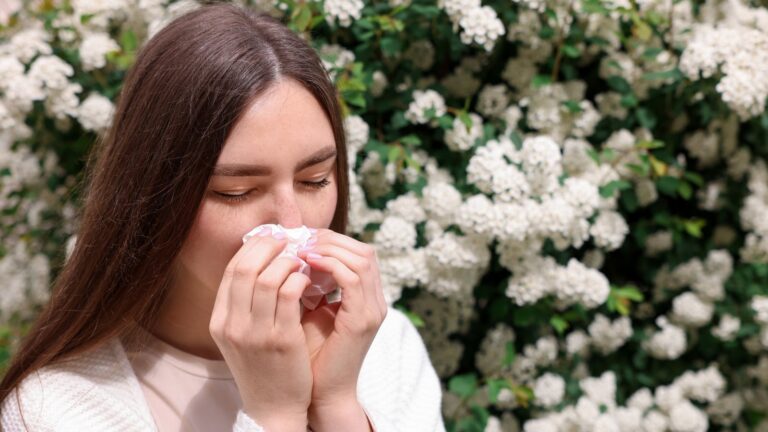
What kind of pollen season can we expect this spring?In Estonia, pollen season typically starts as early as late March or early April — often before plants are visibly in bloom. Alder and hazel are the first to release pollen, but the most intense period falls in late April and May, when birch — the main allergy-triggering tree in our region — blooms. Grasses join in towards summer, followed later by mugwort, which means the allergy season can last from March all the way through to September for sensitive individuals. Long-term monitoring data show that pollen levels in the air have been rising over the years, and the season has grown longer. This means symptoms can start earlier and last longer than before. People with allergies should keep an eye on daily pollen data (www.ohuseire.ee) and bear in mind that symptoms may not line up neatly with the calendar spring.
What is pollen allergy, and why does the body react to it?Pollen allergy, or pollinosis, is an excessive immune response to substances that are actually harmless — plant pollen. The body mistakenly identifies pollen as a threat and triggers defence mechanisms that cause allergy symptoms.It’s important to distinguish between two concepts: sensitisation and allergy.Sensitisation means the body has “recognised” an allergen and produced antibodies against it, but symptoms may not yet be present. Allergy occurs when contact with the allergen also causes symptoms.This means a positive allergy test doesn’t necessarily mean disease — diagnosis is always based on a combination of symptoms and test results.
What are the most typical symptoms of pollen allergy?Pollen allergy mainly affects the nose, eyes, and airways.
The most common symptoms are:
Runny noseSneezing and nasal congestionI
Red, watery eyes
Coughing or difficulty breathing
Fatigue, difficulty concentrating, and poorer sleep are also common.In some cases, cross-reactivity can occur — for example, someone allergic to birch may experience an itchy mouth after eating apples or nuts.
How can you tell the difference between allergies and a spring cold?Symptoms can be similar, but there are some key differences.Signs pointing to pollen allergy:
Signs pointing to a cold:
Can pollen allergy develop in adulthood?
Yes — allergies can develop in adulthood, even if there have been no issues before. Research shows that in some people, allergic sensitivity only develops later in life. Often the body has already become sensitised to the allergen earlier on, but symptoms only appear years afterwards. If recurring runny nose, sneezing, and eye irritation appear for the first time in spring, it’s worth suspecting an allergy.
What can people do themselves to relieve symptoms?
Everyday habits can meaningfully reduce exposure to allergens.
Monitor pollen levels — avoid long periods outdoors when levels are high
Choose the right time to go outside — pollen levels are highest in the early morning and on windy days
Rinse the nose with saline — helps clear allergens from the mucous membranes
Change clothes and wash your face and hair after being outdoors
Keep windows closed, especially in the bedroom
Dry laundry indoors
These measures don’t cure the allergy, but they can noticeably ease symptoms.
Should allergy medication be used, and when?
Treatment depends on symptom severity. For milder symptoms, antihistamines are often enoughFor more severe or persistent symptoms, nasal sprays (corticosteroids) are most effectiveThe best results come from starting treatment before symptoms appear, rather than waiting until they become severe.Many medications are available over the counter, but a doctor can help choose the right treatment if needed.
When should you see a doctor, and how is allergy diagnosed?
It’s worth seeing a doctor if: over-the-counter medications aren’t helping enoughsymptoms are interfering with daily lifebreathing difficulties or asthma symptoms appearthe diagnosis is unclearDiagnosis is based on: a discussion of symptoms and their timingskin prick tests or blood testsfurther specific tests if neededAn accurate diagnosis helps in choosing the most effective treatment.
Does local honey help relieve allergies?
The common belief that local honey helps treat allergies has no scientific support.Pollen allergy is mainly caused by wind-pollinated plants (such as birch and grasses), whose pollen bees don’t collect. As a result, honey doesn’t contain enough of these allergens to “train” the body.The most effective causal treatment is allergen-specific immunotherapy, carried out under medical supervision.
Three key pieces of advice for allergy sufferers
Start treatment early
Don’t wait until symptoms become severe — preventive treatment works better.
Reduce exposure to allergens
Monitor pollen levels and adjust your daily habits accordingly.
Don’t underestimate allergies
Pollen allergy can significantly affect daily life, and if left untreated, it can increase the risk of developing asthma. If symptoms persist or worsen, don’t rely on over-the-counter medication alone. An allergist can assess how effective treatment has been and, if needed, start immunotherapy — a treatment that doesn’t just relieve symptoms, but can change the course of the disease.