Why can’t my child hear well after an ear infection?
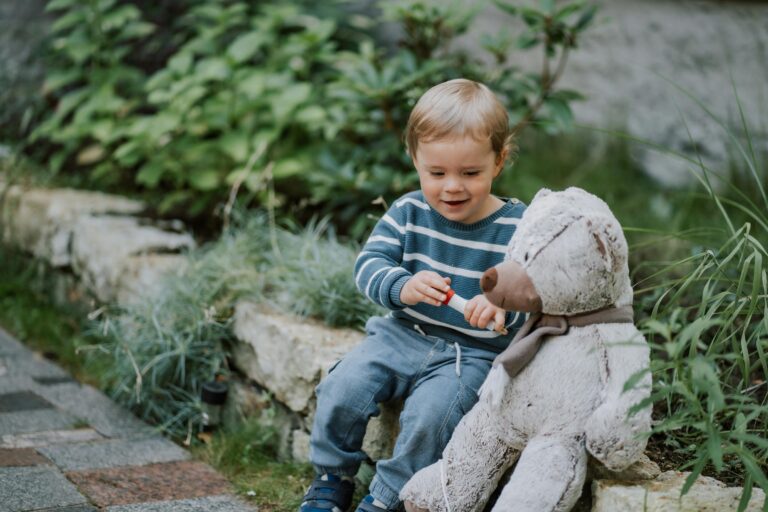
Just before a planned family trip, 7-year-old Joosep fell ill. At first, it seemed like an ordinary virus, but a higher fever (over 38.5°C) stubbornly persisted for several days, leaving the boy lethargic and drowsy.

A few days in, ear pain and discomfort joined the fever. But what concerned the parents most was a change in their son’s hearing. By the evening of the third day, they noticed he was no longer responding to ordinary speech. Joosep himself described it as a constant humming in his head — even people talking close by were hard to make out.
To find out whether this was a complication and how best to proceed, the family sought a doctor’s advice.
The doctor explains: why does it feel like being underwater?
Meliva ENT specialist Dr Risto Vaikjärv explained that acute middle ear infection is a fairly common complication of upper respiratory viruses in children.
What worries many parents in particular, though, is the temporary drop in hearing. According to Dr Vaikjärv, there’s a straightforward explanation that helps make sense of what’s happening in the body.
“With acute middle ear infection, fluid builds up in the middle ear space. Sound waves travel less effectively through fluid, and that causes the hearing loss. Imagine being underwater while someone tries to talk to you from the shore — the sound comes through muffled and echoey. That’s exactly what’s happening in the child’s ear at that moment,” the doctor explained.
“Fluid in the middle ear space doesn’t cause permanent hearing loss. The auditory nerve is perfectly fine — sound just can’t get through at the moment because of the fluid that’s built up, so to speak, behind the door,” the doctor confirmed.
Recovery takes time
The family received a treatment plan from the doctor, including a course of antibiotics. The treatment worked quickly: the fever came down, and the boy’s overall condition improved noticeably within a couple of days. What tested the parents’ patience, though, was waiting for his hearing to return.
Here, the advice to be patient helped reassure them. “While pain and fever tend to disappear quickly, the fluid draining from the ear is a slower process. Hearing recovery does take time, and that doesn’t mean the treatment has failed,” said the Meliva doctor.
Joosep’s hearing returned fully by the end of the treatment course, about a week later — exactly as the doctor had predicted.
Peace of mind through a check-up
Although Joosep’s story ended with a quick recovery, Dr Vaikjärv still recommends staying vigilant after ear infections.
“Even if the child seems to be feeling fine, it’s sensible to come in for a check-up once the treatment course is finished. With a simple examination, we can confirm that the fluid has fully cleared from the ear and that hearing has returned to 100%. That gives peace of mind that the next virus will be met by a fully recovered body,” added the Meliva doctor.
A REMINDER FOR PARENTS
When should you see a doctor about ear pain?
- If home treatment isn’t helping: Once the effect of a painkiller (paracetamol/ibuprofen) wears off, the pain returns and lasts more than 2–3 days.
- If discharge appears: Fluid or pus starts coming from the ear. This suggests the eardrum may have ruptured (it will heal, but needs to be checked).
- If hearing doesn’t return: It’s normal for hearing to be somewhat muffled during the illness, but if it remains unchanged even a week after recovery, it’s worth coming in for a check-up.