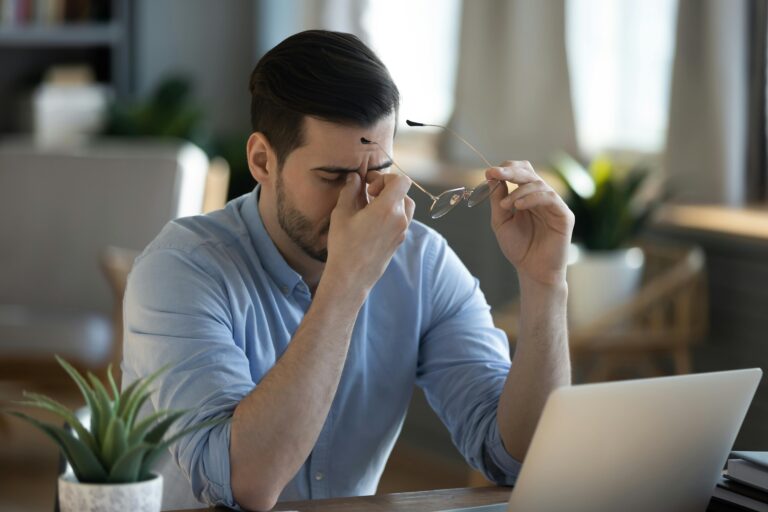
Increased stress levels
Stress is the body’s and nervous system’s reaction to situations that a person perceives as stressful or overwhelming.
Possible causes
- Prolonged workload and insufficient rest
- Major life changes, uncertainty, or constant tension
- Conflicts in relationships or in the work environment
- Lack of sleep and an irregular lifestyle
- Excessive responsibility and the feeling that everything must be handled alone
- Physical or emotional overload
- Concerns about health, work, or financial coping
Should I see a doctor?
Stress is a natural reaction to stressful situations and often passes after rest and recovery. If stress is temporary and does not significantly affect sleep, mood, or daily functioning, sufficient rest, physical activity, and enjoyable activities can help.
You may seek support from a specialist preventively in order to learn how to better notice stress, recover, and support your daily coping.
If stress lasts for a longer period, intensifies, or begins to affect sleep, concentration, relationships, or work ability, it is worth turning to a specialist. It is also advisable to seek help if persistent exhaustion, anxiety, low mood, or a feeling that you can no longer cope begin to appear.
Frequently Asked Questions
How does stress manifest?
Stress may manifest as fatigue, irritability, concentration difficulties, and feelings of tension. Physical symptoms are also common, such as sleep disturbances, headaches, muscle tension, or heart palpitations.
Can stress affect physical health?
Yes. Long-term stress affects the nervous system and the body’s ability to recover and may increase the risk of various health problems.
Does stress go away on its own?
Short-term stress may pass after rest and the end of a stressful period. If stress lasts for a long time or begins to interfere with daily life, support from a specialist may be needed.
What can I do myself to reduce stress?
Regular sleep, physical activity, rest breaks, and balancing daily workload can help. Early recognition of your symptoms and taking time to recover are also beneficial.
When should I seek help from a specialist?
It is worth turning to a specialist if stress lasts for a longer period, intensifies, or affects sleep, relationships, work ability, or overall well-being. It can also be beneficial to seek support preventively in order to learn coping strategies that support mental health.