The mental health burden in Estonian working life: what over 50,000 occupational health visits reveal
Over the course of a year, more than 50,000 employees across a wide range of industries completed the emotional wellbeing questionnaire (EEK-2) during occupational health visits at Meliva. A sample of this size offers a rare opportunity to look at the state of Estonian workers’ mental health not through isolated cases, but through patterns and trends.
While the EEK-2 doesn’t allow for clinical diagnoses, it reliably shows which sectors more often experience mental exhaustion, sleep problems, anxiety, and low mood — conditions that point to an elevated risk of more serious mental health disorders developing.
The results are clear: the distribution of mental strain and mental health risk across working life isn’t random. The sectors most vulnerable are those where work is emotionally demanding, carries high responsibility, involves constant mental pressure, or where high performance and high flexibility are expected at the same time.
This is important knowledge for every employer, regardless of sector. Regularly involving occupational health specialists isn’t just about assessing physical work capacity — it’s also a chance to spot mental health risks early, before they develop into problems that affect a person’s ability to work.
Mental exhaustion, or asthenia
EEK-2 uses the term mental exhaustion, or asthenia, to describe a state of persistent fatigue, emotional volatility, and mental tiredness.
The highest risk of mental exhaustion is found in professional, scientific, and technical activities (37.3%), the arts, entertainment, and leisure sector (35%), and information and communication (34.6%). What these fields share is intellectually demanding work, prolonged mental strain, and high levels of responsibility.
Lower, but still notable, rates appear in manufacturing (15.6%), construction (20.6%), and transportation and storage (21.1%).
Sleep problems as an early warning sign
One of the most common mental-health-related complaints is sleep disturbance, which can also point to a higher risk of depression and anxiety.
Sleep problems are most common among workers in arts, entertainment, and leisure (26.4%), education (26.3%), and professional, scientific, and technical activities (25.3%). These are fields that demand constant mental presence, creative pressure, decision-making responsibility, or emotional involvement.
Lower, but still meaningful, rates appear in manufacturing (13.9%), construction (15.9%), and transportation and storage (17.8%) — sectors where work tends to be more physical, the structure of the working day more clearly defined, and night work more common.
Low mood and depression risk
Responses pointing to low mood and elevated depression risk cluster particularly clearly in healthcare and social welfare (23%) — a sector where emotional strain, responsibility for other people’s wellbeing, and chronic time pressure are part of daily work.
Next come professional, scientific, and technical activities (17.3%) and information and communication (17.2%).
The lowest risk levels appear in manufacturing (8.1%), construction (8.2%), and transportation and storage (10.6%).
Anxiety and social tension
Excessive general anxiety and a tendency toward social anxiety are more common in fields where work involves constant evaluation, communication, public performance, or fast decision-making responsibility.
The highest risk of general anxiety is found in professional, scientific, and technical activities (18.2%), followed by arts, entertainment, and leisure (16.9%) and information and communication (15%).
Social anxiety: the pressure to communicate and stay constantly visible
A tendency toward social anxiety — fear of judgement, making mistakes, or public performance — appears more frequently in EEK-2 responses from fields where work requires constant interaction, self-exposure, or professional presentation.
The highest rates appear in professional, scientific, and technical activities (12.6%), information and communication (11.8%), and arts, entertainment, and leisure (10.8%). These are environments where work output and performance are continually evaluated, and where performance often takes place under public attention.
Lower social anxiety risk appears in construction (6%), manufacturing (6.4%), and transportation and storage (7.7%) — sectors where work tends to be more technical, team-internal, and less exposed to public attention.
Panic disorder risk: intense situations and loss of a sense of control
Responses pointing to panic attacks and agoraphobia are generally rarer, but still notable in certain sectors.
Higher risk appears in arts, entertainment, and leisure (3.6%) and wholesale and retail trade (3.1%) — sectors involving large numbers of people, unpredictable situations, time pressure, and a constant need for emotional responsiveness.
What should employers take away from this?
Data from more than 50,000 occupational health visits shows that mental health risks aren’t an individual weakness — they’re often a logical consequence of the work environment and the nature of the job itself.
Particular attention is warranted in fields where work is:
- emotionally draining
- high in responsibility and decision-making demands
- under constant pressure to perform
- involves people, knowledge work, or public attention
At the same time, the results also confirm that mental health risks appear across every sector. That’s exactly why occupational health plays such a critical role — it allows early warning signs to be systematically identified, risks assessed, and employees supported before mental exhaustion, anxiety, or low mood begin affecting their ability to work and their quality of life.
Mental health has become a central part of workplace safety and work capacity in every field.
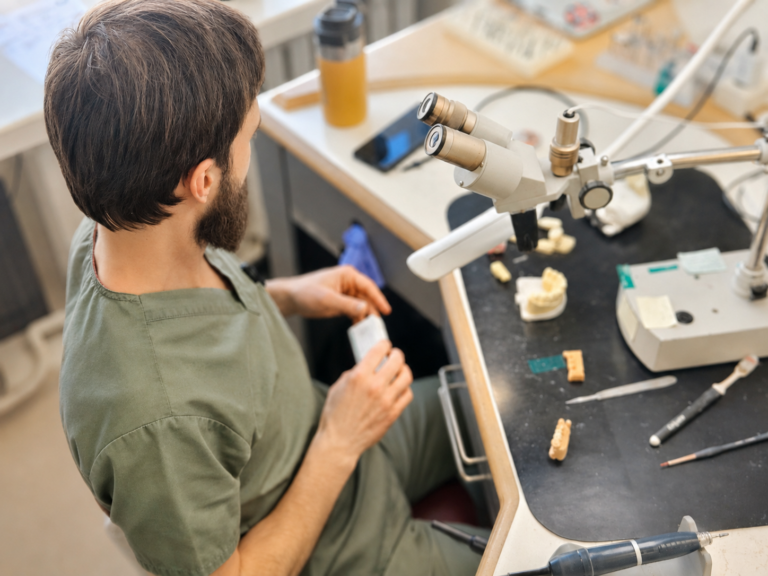
Denture Repairs: When Are They Needed and How Can an Accurate Result Be Ensured?
Removable dentures are designed for daily use, but over time they may require repair or adjustment....
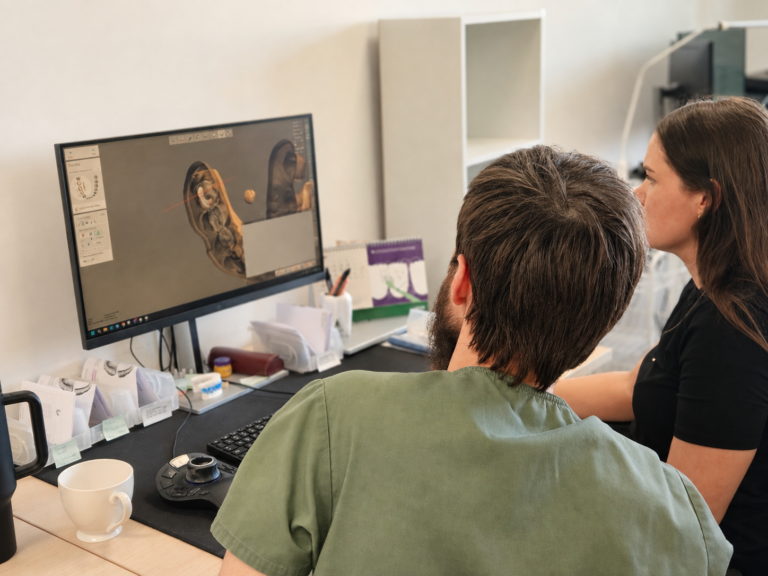
Key Principles for Taking a High-Quality Impression: What Should You Keep in Mind?
An accurate impression is essential for high-quality prosthodontic work. Errors made while taking,...
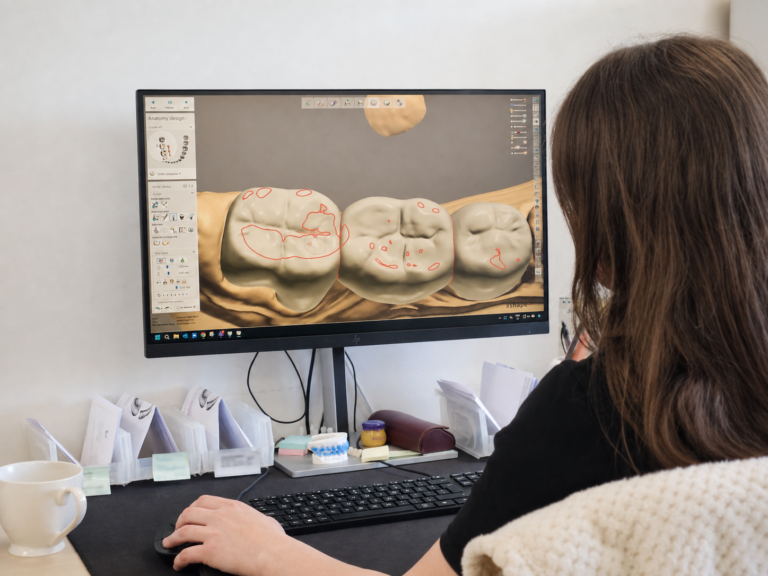
How to Care for Removable Dentures, Dental Crowns and Orthodontic Appliances?
Fixed dental prostheses, such as crowns and bridges, should be cared for in the same way as your...

Dentist explains: what problems can a stealthy tooth root infection cause?
A root infection is a stealthy condition, capable of quietly destroying tooth roots — and, in...
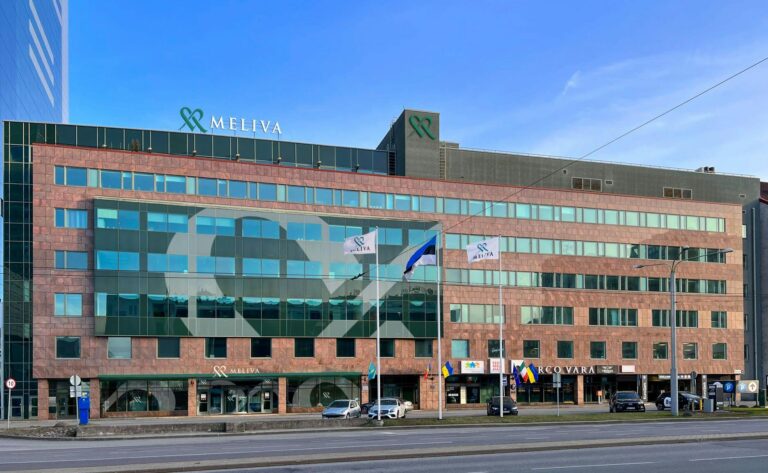
We’re opening a new private medical centre in the heart of Tallinn
We're building a medical centre in the office building at Rävala puiestee 5, where we'll offer the...

What can you do to stop your child from being afraid of the dentist?
How can you prevent a fear of dentist visits from developing in the first place? What can parents...
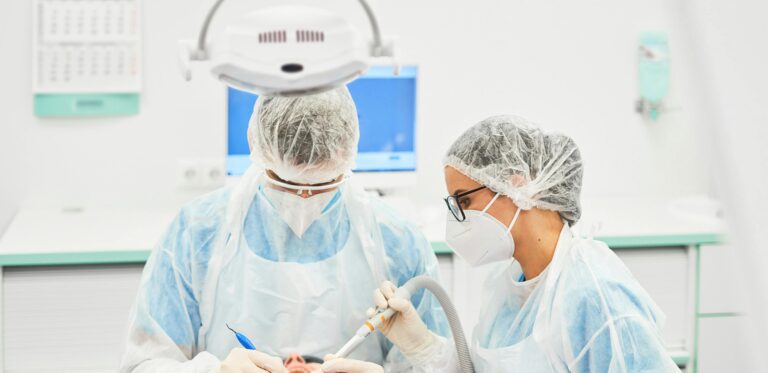
What is the adult dental care benefit?
Since 1 January 2022, we've been a contracted Tervisekassa partner for the adult dental care...
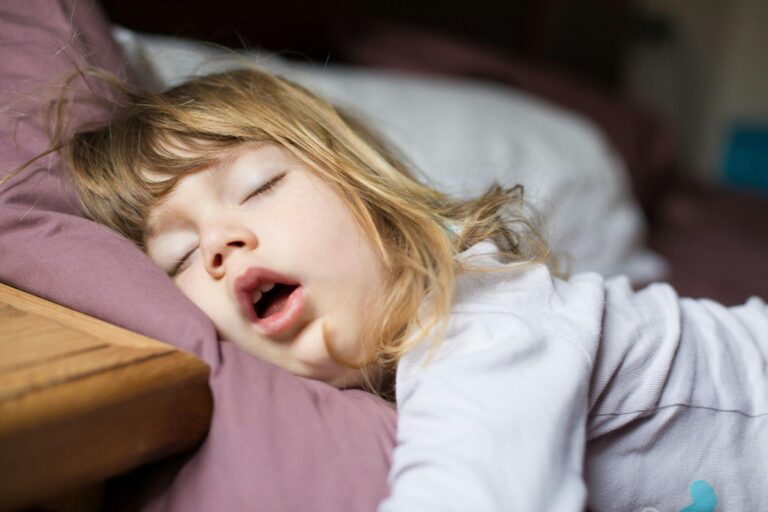
Why is chronic mouth breathing dangerous?
Chronic mouth breathing is dangerous, as it affects oral and overall health, changes facial shape,...

What should you get vaccinated against before travelling?
A large number of Estonians plan a shorter or longer holiday trip during the cool, sun-starved...
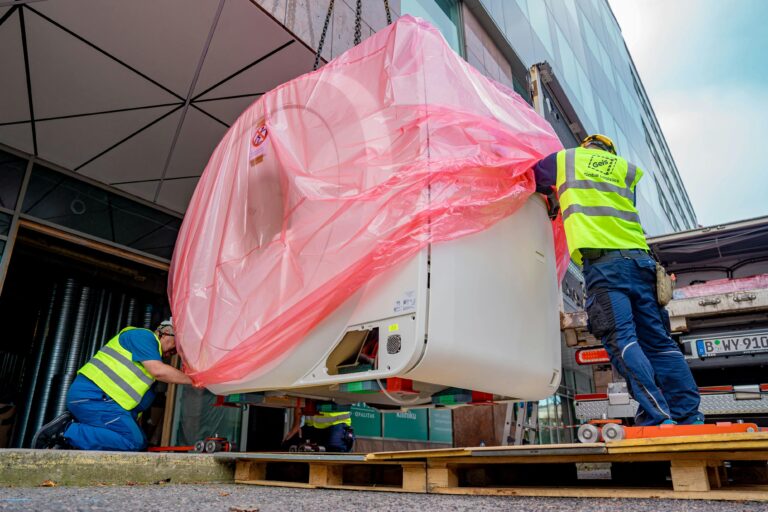
Soon-to-open Rävala clinic receives its MRI machine
The long-awaited MRI machine has arrived at the soon-to-open Rävala clinic, significantly boosting...