Meliva urologist: successful modern treatment is built on new technology and a patient-centred approach
Urology has developed rapidly over the past few decades. While surgeries once meant long hospital stays and large incisions, modern methods now offer patients a faster, less painful path back to health.
Alongside this, it has become widely understood that the best treatment relies not only on precise diagnostics and a skilled hand, but also on how well doctor and patient understand each other.
When is it time to see a urologist?
Urology deals with diseases of the urinary tract — the kidneys, ureters, bladder, and urethra — in both men and women, as well as problems affecting the male reproductive organs and prostate. Because symptoms can be vague, it’s often unclear exactly when it’s the right moment to seek help.
It’s worth seeing a urologist if you notice the following symptoms:
- Urination problems: frequent or painful urination, difficulty emptying the bladder, urinary incontinence, or needing to use the bathroom unusually often.
- Pain in the lower abdomen, side, or back (which can indicate a kidney problem), as well as discomfort in the pelvic area or testicles.
- Changes in urine: blood in the urine (haematuria), cloudy urine, or unusually foul-smelling urine.
- Recurrent urinary tract infections in women.
- Issues specific to men: urination problems and sexual difficulties caused by prostate conditions, changes in the penis or testicles. Early cancer screening is also very important.
Advances in endoscopy spare the patient
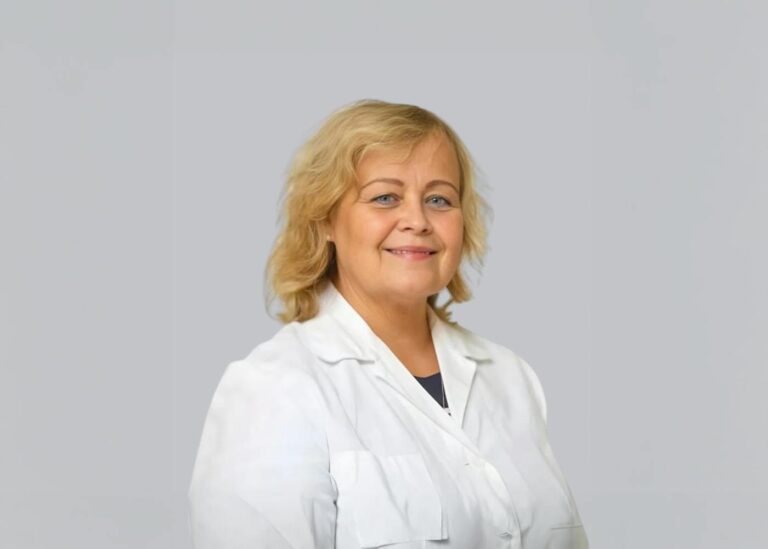
“Urology is a surgical specialty where modern endoscopic and other diagnostic and treatment methods have developed significantly, and endoscopic surgery in particular has advanced enormously,” explains Meliva urologist Dr Katrin Huik. Endoscopic procedures mean the surgeon works either through the body’s natural openings or through tiny incisions.
For the patient, this brings major advantages compared with older methods: less pain, a shorter hospital stay, faster recovery, and virtually no scarring. Thanks to this leap in technology, removing kidney stones, treating the prostate, and diagnosing bladder tumours have all become significantly more patient-friendly and safer.
For kidney stones, a doctor can now break up or remove the stone without traditional open surgery. For benign prostate enlargement, tissue can be removed through the urethra — meaning without open surgery. For early detection of bladder tumours, endoscopy is now indispensable. Treatment outcomes are both more medically effective and far less traumatic for the patient.
An open first conversation is the foundation of a successful outcome
Before any procedure, it’s critical that the patient share their symptoms and medical history as openly as possible. This information helps the doctor decide whether an endoscopic approach is the best option in a given case, or whether another method should be considered instead.
Meliva urologist Dr Katrin Huik stresses that openness works both ways: “My job isn’t just to operate — my job is to be a trustworthy partner to the patient. That means explaining every step: what we’re doing, why we’re doing it, and what the patient can expect both during surgery and throughout recovery. An informed patient is a calmer patient, and a calmer patient recovers faster.”
Likewise, today’s patients are active participants in caring for their own health. This is especially true in urology, where many conditions require long-term monitoring and close doctor-patient collaboration.
In practice, this means that during a visit, a patient should get an answer to every question they have. What exactly does the procedure involve? What are the alternatives? What does recovery look like? Is there anything the patient can do themselves to improve the outcome? No question is too small or too embarrassing to ask.
Dr Huik confirms: “In my experience, it’s the patients who ask a lot of questions and share their concerns openly who end up with the best treatment outcomes. Our collaboration is built on trust, not just on the procedure itself.”