Gynaecologist’s advice: how to ease painful periods
How can you relieve period-related discomfort and lower abdominal pain?
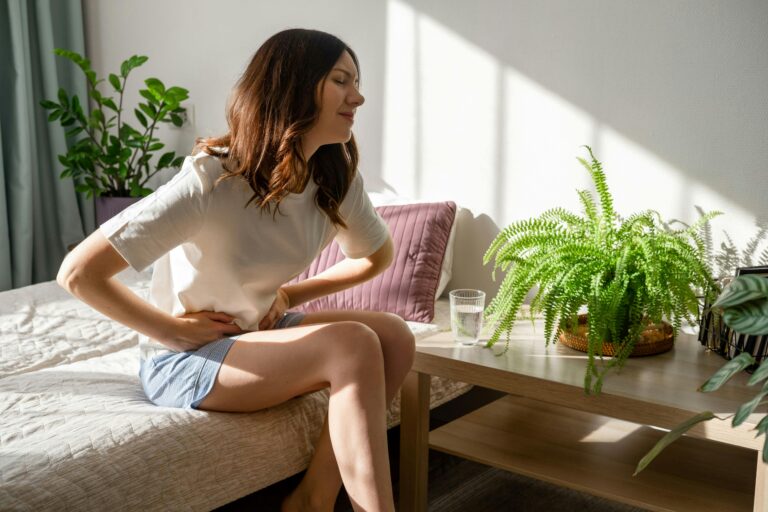
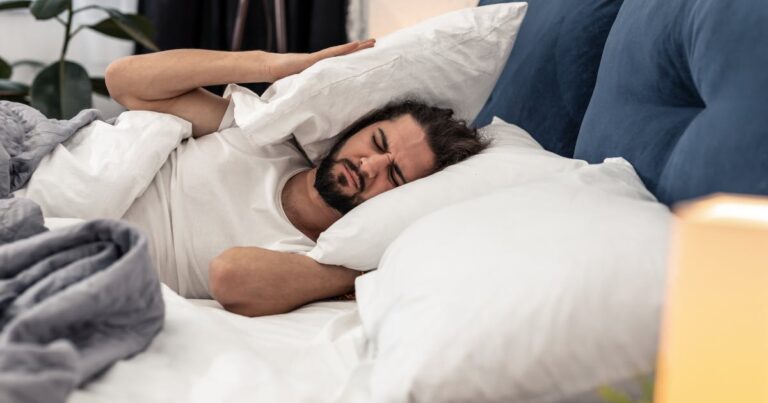
Fatigue, irritability, drowsiness, diarrhoea, lower abdominal pain, headaches, and back pain — these are just some of the symptoms many women experience during their period. How can you relieve period-related discomfort and lower abdominal pain? Meliva gynaecologist Dr Karina Luik offers advice.
Nearly all women experience some degree of pain or discomfort in the lower abdomen around their period. This isn’t always a sign of illness and is often related to contractions of the uterine muscle, though there are other possible causes of pain too. Period pain severe enough to disrupt a woman’s quality of life is medically referred to as dysmenorrhoea, and it’s one of the most common gynaecological complaints among women of reproductive age.
“Over-the-counter painkillers can help with period pain. It’s definitely worth following the recommended dosage — too small a dose won’t have the desired effect, while too large a dose can cause side effects,” explains Dr Luik. The doctor adds that non-steroidal anti-inflammatory drugs, such as ibuprofen, work well as painkillers, and are best taken preventively — that is, before bleeding or more severe pain sets in.
“My typical recommendation for treating painful periods is 1 g of paracetamol three times a day and/or 400-600 mg of ibuprofen three times a day,” the gynaecologist explains. “Since the female reproductive organs and the bowel develop from the same embryonic germ layer, menstruation is often accompanied by bowel-related symptoms too — for example, diarrhoea during a period is entirely normal.” The doctor adds that for bowel-related discomfort, over-the-counter remedies such as No-Spa can help, and Espumisan for gas-related pain.
While natural remedies do contain compounds that can help ease various period-related symptoms, the evidence behind them is weak, and proper pain medication is definitely more effective.
Other things that can help ease period pain:
- Heat therapy — a warm compress on the lower abdomen or lower back.
- A warm shower or bath.
- Regular physical activity, such as yoga or walking.
- Eating healthily — avoid processed, salty, fatty, and spicy foods.
- Cutting back on coffee, sweets, and alcohol.
- Supplements can sometimes help too — vitamin B, vitamin E, omega-3 fatty acids, calcium, and magnesium may all have a positive effect.
Since the body is more sensitive to various discomforts during your period, it’s also worth following your gynaecologist’s advice to avoid carbonated drinks, as these aren’t good for the gut and can cause bloating.
Be sure to see a gynaecologist if period pain is affecting your quality of life or if painkillers aren’t helping. Ask a pharmacist for advice on the maximum daily dose of over-the-counter painkillers. Family doctors and general practitioners at Meliva’s Digikliinik are also available for quick health advice, and can issue short sick leave certificates and prescriptions where needed. Digikliinik doctors offer real-time consultations seven days a week, and you can start a conversation with a doctor without booking in advance.
This article was first published on 5 April 2023 in Õhtuleht.