False embarrassment can be harmful to your health — which concerns should send you straight to a doctor?
Meliva general surgeon Andrei Smõšljajev explains when it's time to see a surgeon.
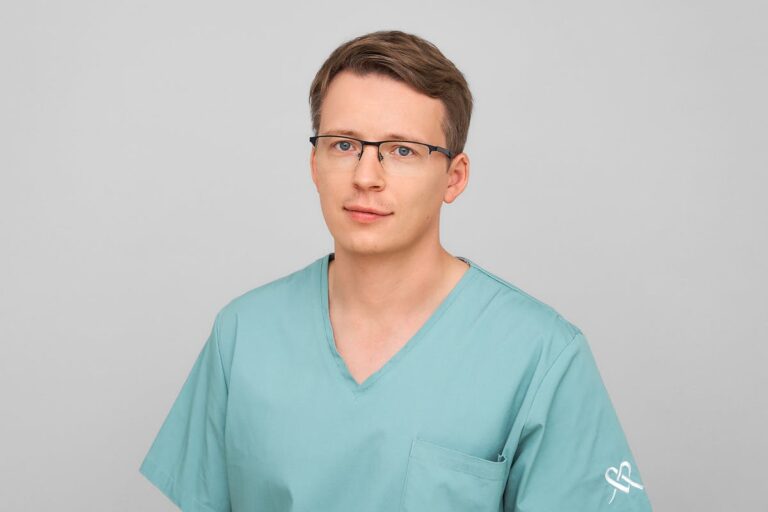
General surgery covers a wide range of health concerns, from skin and subcutaneous tissue issues to complex digestive tract conditions. Meliva general surgeon Andrei Smõšljajev explains when it’s time to see a surgeon, and outlines modern treatment methods.
Patients come to a general surgeon with a very wide range of concerns, but the most common issues involve skin and subcutaneous growths, abscesses, ingrown nails, and various types of abdominal pain and digestive complaints. “Patients often come to us with diarrhoea or constipation, issues with bowel movements, abdominal pain, heartburn, and reflux — as well as various perianal issues, such as pain, prolapse, haemorrhoids, fissures, and bleeding,” says Dr Smõšljajev. General surgeons also treat varicose veins.
People often see a general surgeon for various types of abdominal hernias too. “Not every hernia needs immediate treatment. Intervention is mainly needed when a hernia causes pain, discomfort, or interferes with daily life,” he explains. Either way, it’s advisable to book a consultation, so the surgeon can assess the specific case and give appropriate advice.
Early intervention can save lives
Patients often only come to see a doctor once a health concern has already become a real obstacle in daily life. “Unfortunately, we often see patients delay seeing a doctor, especially with more intimate complaints. People feel embarrassed, or assume their concern isn’t serious enough to warrant seeing a specialist,” Dr Smõšljajev notes.
False embarrassment and fear, though, can make things worse. “If someone is experiencing pain, discomfort, or other troubling symptoms, there’s no reason to suffer through it — doctors deal with a very wide range of issues every day, and our aim is to help,” the surgeon stresses. He adds that for a number of surgical concerns, early intervention is critical. Unexplained anaemia, for example, always warrants further investigation. While the cause may turn out to be something benign, like haemorrhoids, in rare cases it can point to something more serious, such as a bowel polyp or even cancer. “Bowel polyps or early-stage bowel cancer can stay symptom-free for a long time, or cause only mild discomfort, but can become serious over time. Early detection and removal help prevent bowel cancer and save lives. Estonia has a national bowel cancer screening programme — if you receive an invitation, be sure to attend,” Dr Smõšljajev encourages.
Early consultation for hernias matters too. “If a hernia is causing pain or growing larger, it’s worth consulting a surgeon before complications develop,” the general surgeon advises. It’s also important to be aware of the symptoms of a strangulated hernia, so you know to seek emergency care at the ER in time if needed.
Surgical methods have changed over time
Modern surgery is increasingly moving toward less invasive methods. “Wherever possible, procedures are done laparoscopically. That means smaller incisions, faster healing, and fewer complications,” Dr Smõšljajev explains. Diagnostics, too, have advanced over time — radiological and endoscopic examinations have become more sophisticated, which has in turn improved the treatment of surgical conditions. “Endoscopic images today are significantly clearer, and the instruments more ergonomic, which makes procedures less uncomfortable for the patient and more precise for the surgeon,” he adds.
How should you prepare for surgery?
Preparing for surgery depends on the type of procedure, but generally involves following certain dietary and hygiene requirements and completing the necessary tests beforehand. “The doctor gives each patient specific instructions to follow, so the surgery and recovery go as smoothly as possible,” says Dr Smõšljajev. “A general recommendation for everyone preparing for surgery is to maintain a healthy weight, quit smoking, and avoid excessive alcohol and drug use — this helps reduce the risk of complications and supports faster wound healing,” the doctor stresses. It’s also important to look after your oral health and see a dentist regularly, to avoid potential mouth infections that could affect post-surgery recovery.