Dental trauma calls for quick action
Dental accidents and injuries can happen to both children and adults.
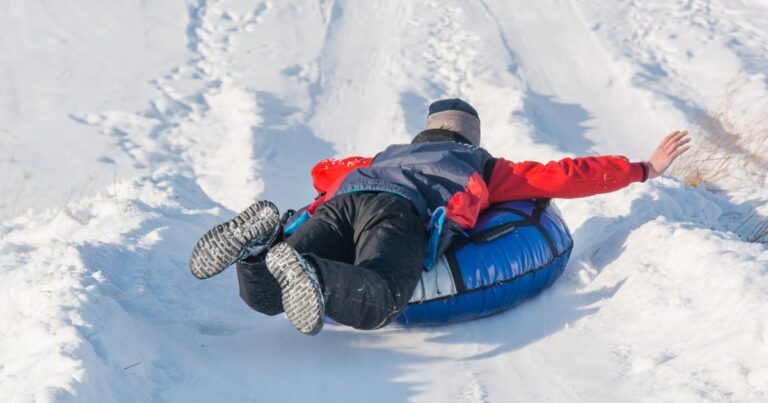
What to do about a dental injury depends on whether the tooth was knocked, shifted out of position, chipped, or knocked out entirely, root and all.
Acting quickly and knowledgeably can often save the tooth
The most typical type of dental trauma is a partial fracture of the tooth crown. The crown can break off as a small chip, or the entire crown can fracture. For a deeper fracture, it’s important to see a dentist.
A tooth can often take a knock and stay in place, while being very painful. A tooth like this needs to be given rest. If a tooth has taken a harder hit and has shifted out of position, it’s important to see a dentist as soon as possible, who can reposition it correctly.
The most serious type of dental trauma is when a tooth is knocked out completely, root and all, from the jawbone. Saving a tooth like this depends on acting quickly and skilfully.
- The best solution is to put the tooth back into its original position immediately. If that isn’t possible, keep the tooth in physiological saline or milk. It can also be kept inside the cheek.
- If the tooth is dirty, rinse it gently under water.
- Hold the tooth only by the crown — avoid touching the root.
- Don’t scrub the tooth vigorously or wipe it, for example, with a tissue.
- If the tooth has broken into pieces, collect all the fragments if possible and bring them along to the dentist — they may be usable when restoring the tooth.
- See a dentist. The sooner the tooth can be put back in place, the better the chances of it healing successfully.
Even if a tooth can’t be saved, it can always be replaced — there are several options available today, including replacing a missing tooth with an implant.
Baby tooth trauma usually doesn’t require a dentist’s intervention
Trauma to a baby tooth usually doesn’t require immediate dental intervention, and a baby tooth doesn’t need to be put back in place. If the wound is bleeding, press a piece of cold gauze against it, or have the child bite down on a piece of gauze. To reduce swelling and pain, offer the child an ice cube to suck on, or hold a cold compress against the cheek. Call a dentist and describe what happened. Watch for pain, fever, and any changes in the colour of the tooth or the gum.