Ann’s story: turbinate reduction and freedom from chronic nasal congestion
Ann had struggled for years with seasonal allergic rhinitis every spring, and at one point it seemed like her nasal congestion would never truly ease.
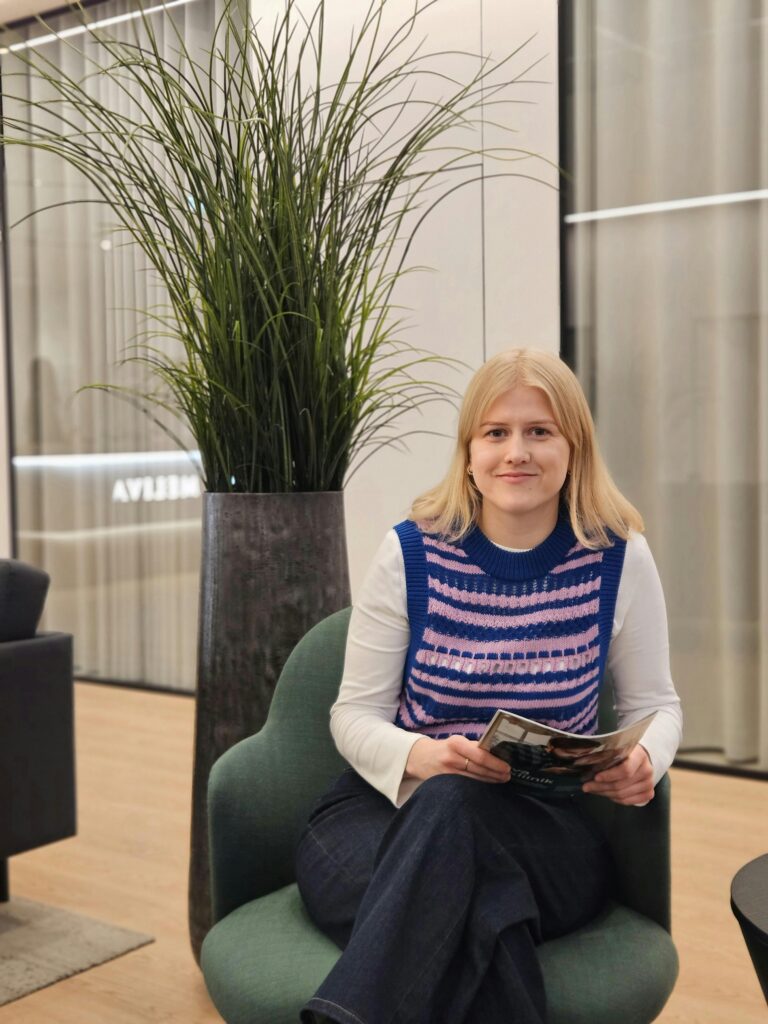
On top of that, almost every cold she caught ended up turning into an ear infection — exhausting, and a real drain on her quality of life. “On my family doctor’s advice, I tried various nasal sprays and allergy medications, but the relief they gave was only ever temporary,” Ann recalls. When it became clear that standard treatments weren’t helping, Ann eventually saw an ear, nose, and throat (ENT) specialist. The doctor ran a series of examinations and found that Ann’s nasal turbinates were chronically enlarged.
ENT specialist Dr Risto Vaikjärv explains: “With rhinosinusitis and allergic rhinitis, the mucous membrane swells and causes nasal congestion. In most cases, the problem resolves once the illness passes or exposure to the allergen ends. But the mucous membrane — specifically the turbinates in the nose — can enlarge, or hypertrophy, leading to persistent congestion. Symptoms are often more noticeable lying down, and during sleep one side of the nose or the other tends to block.”
“I’d never even heard of anything like this, but I was glad the doctor recommended turbinate reduction specifically,” says Ann. “At first it sounded frightening, but after a thorough explanation I understood it was a simple procedure, and we scheduled it. The procedure itself was definitely a bit uncomfortable, but it went quickly, and the whole time a nurse held my hand, reassuring me and explaining everything that was happening.” First, Ann’s nose was packed with numbing swabs, and then a numbing agent was injected inside the nose as well. The procedure itself was then carried out using a thin instrument inserted into the nose. In total it took less than half an hour, and afterwards Ann was able to go straight home to recover.
“Turbinate reduction is a minimally invasive procedure generally performed under local anaesthesia. First, the nasal mucous membrane is numbed. Some mild sensitivity may remain, but the procedure itself is quick and generally very well tolerated. Most patients describe it as uncomfortable rather than painful. The goal of the procedure is to restore nasal breathing and, with it, improve the person’s quality of life,” explains Dr Vaikjärv.
Ann’s full recovery took about a week. “For the first couple of days I had to avoid physical exertion, since my nose tended to bleed. But within a week or two the swelling had gone down and I was able to get back to normal life.”
Dr Vaikjärv adds: “After the procedure, swelling develops inside the nose and it starts to run. The discharge is watery at first but thickens over the following days. Overall recovery takes about 7-10 days. It’s important to keep up proper nasal care during this time with rinsing and oiling. Most people are back at school or work the very next day.”
Since the procedure, Ann feels her life has, quite literally, taken on a new breath. “I can’t put into words how happy I am that I’ve now been able to breathe freely through my nose for several years. The turbinate reduction procedure brought a change in my quality of life that I never even thought was possible.” For Ann, it has also significantly eased her worries about chronic ear infections, and boosted her overall energy levels, sleep quality, and made allergy season much more bearable.
“Restoring nasal breathing significantly improves quality of life and generally improves sleep too. Thanks to it, allergy season is often no longer as ‘dreadful’ — though the procedure doesn’t cure the allergy itself. Nasal congestion after rhinosinusitis is also much less severe, which in turn helps prevent dependency on over-the-counter nasal sprays (xylometazoline),” says Dr Vaikjärv.
In closing, Ann strongly encourages anyone with persistent nasal congestion to see an ENT specialist to find the solution that works best for them. “I honestly didn’t believe I’d ever be able to breathe freely again. So it’s always worth asking and looking into it — sometimes a simple procedure can be life-changing!”