Key Principles for Taking a High-Quality Impression: What Should You Keep in Mind?
An accurate impression is essential for high-quality prosthodontic work. Errors made while taking, inspecting or handling an impression can result in inaccurate models, poorly fitting restorations and the need to remake the work. It is therefore important to pay close attention to detail at every stage.
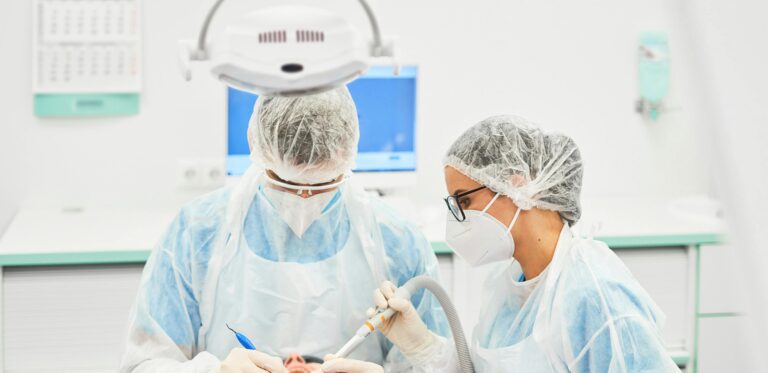
An appropriately sized impression tray should always be used to ensure that all necessary anatomical areas are accurately captured. The tray must also be sufficiently rigid, as soft or flexible trays may distort the impression and compromise the accuracy of the final restoration.
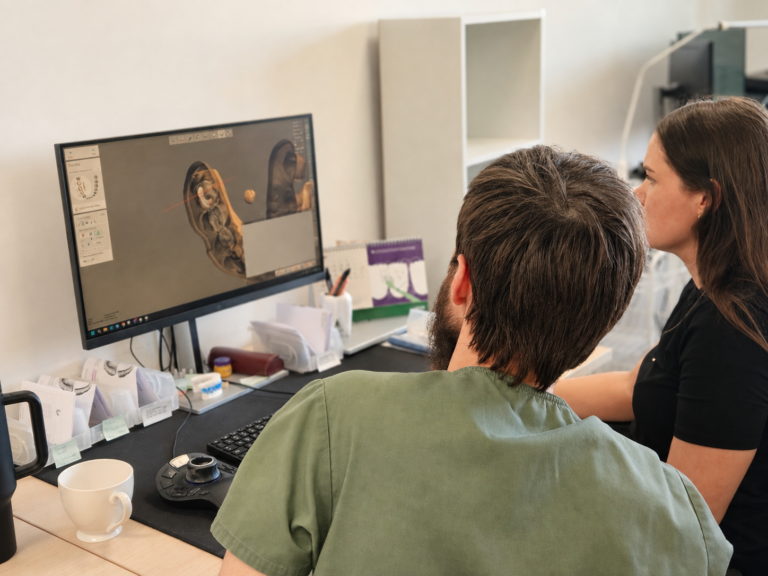
The impression should be carefully inspected immediately after it is removed from the patient’s mouth. Make sure that the impression material has not been bitten through and that there are no voids, pulls or distortions. The material must also remain securely attached to the tray. When taking a digital impression, it is equally important to check the quality and completeness of the scanned file. If any defects are identified, a new impression should preferably be taken during the same appointment.
Always follow the manufacturer’s instructions when using impression materials, as working times, mixing methods and storage requirements may vary and can affect the final result.
Before being sent to the dental laboratory, all impressions must be cleaned of blood, saliva, food debris and other contaminants, and then properly disinfected. Correct packaging helps prevent damage during transport. Alginate impressions, for example, should be wrapped in a damp cloth and placed in moisture-resistant packaging. Any additional components associated with the impression, such as bands or transfer posts, should be placed in a separate sealed package.
For both fixed and removable prosthodontic work, an accurate bite registration should be included to help the dental laboratory reproduce the patient’s occlusion as precisely as possible.
The requirements for implant-supported restorations are even more exacting. Impression copings must be free from defects, firmly secured within the impression material and completely immobile. Healing abutments should be packaged separately and labelled according to their position in the dentition. It is also advisable to provide twice the required number of implant analogues, enabling the dental laboratory to produce verification models if necessary.
For aesthetic restorations in the anterior region and diagnostic wax-ups, the best results are achieved when the laboratory receives information about the patient’s original condition in addition to the impression or model. A pre-treatment model or impression should therefore be included, together with facial photographs of the patient at rest, smiling and showing a full smile.
The choice of impression material depends on the type of work being performed. Alginate is commonly used for orthodontic appliances, opposing-arch impressions and many removable prostheses. Silicone is generally preferred for final impressions for fixed prosthodontic work and impressions taken with custom trays for complete dentures, as it provides greater accuracy.
Careful impression-taking, thorough inspection and proper handling help minimise errors and ensure a more accurate, high-quality result for the clinician, the dental laboratory and the patient.