Video games are an inseparable part of your child’s life. Asking these questions can give you a sense of what they’re playing and how it affects them.
Since parents often don't know exactly what their children are doing on screen, it can easily become a source of worry. Meliva counsellor Karl Erik Saks shares advice on how to get to know "your gamer" through simple but thoughtful questions — building a relationship of trust between parent and child.
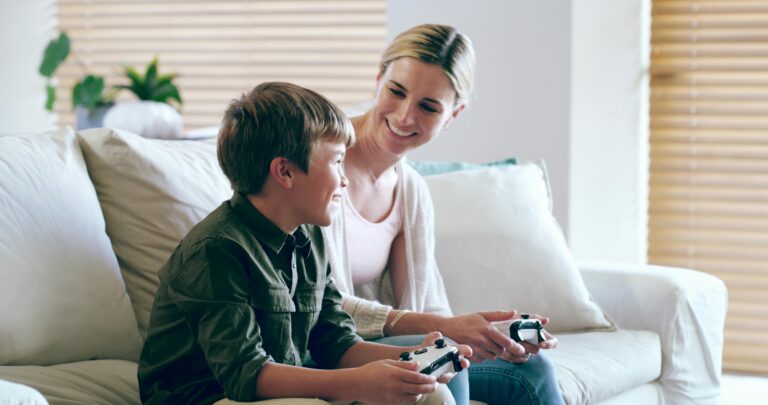
According to Karl Erik, the first thing to do is break the myth that playing video games makes a child antisocial. “The reality, fortunately, is quite different. Gaming culture today is actually very social — even when a game isn’t played together with others, young people find online communities to talk with about games and other hobbies.”
Ask your child to describe the game’s genre and objective
Karl Erik suggests parents start by getting familiar with the content of the game through conversation with their child. The classic question, “What are you supposed to do in this game?” can stay fairly surface-level and may not help you understand what your child is really engaged with. Karl Erik recommends first asking the child to explain, in their own words, the game’s genre, type, and objectives. Then ask how they found out about the game — did a friend introduce it, or did they discover it themselves? This last question helps reveal whether the child follows trends, sticks to certain types of games, or is looking for a variety of experiences.
It also helps to find out why the child wants to play. For example, you could ask whether the game is a narrative experience for them, like a film or a book, or more of an entertainment and relaxation activity, and whether they come up with their own stories while playing.
Focus on the positive sides of video games, but touch on the risks too
Video games have plenty of positive aspects, one of the most important being socialisation. Ask your child whether they play with others — real friends, or people they’ve met online? “If they’re playing with strangers, it’s worth finding out whether they’re aware of the possible risks — for example, that strangers may not be who they present themselves as. Talk with them about how someone might try to pressure them into giving away money,” Karl Erik encourages.
The counsellor recommends asking the child how, and in what tone, they communicate with others in the game — in writing, or through a microphone and camera? Is the general tone among players supportive, or more prone to teasing and bullying? “These conversations can create a safe space, so the child feels comfortable coming to you if something goes wrong in their online interactions.”
Many players look for communities or chat platforms, such as Discord, to discuss their favourite games. “Places like these can be valuable for building social connections, especially for kids who find it harder to make friends in everyday life. The internet and games offer a good platform for practising how to make friends and communicate with them,” Karl Erik notes.
Ask about your child’s feelings
According to the counsellor, it’s important to understand how games affect a child’s emotions. “Many parents have seen how a gamer becomes irritable when things aren’t going well, or when playtime is suddenly interrupted. The first step toward gaining control over one’s gaming habits is becoming aware of how different games affect us,” Karl Erik says. He adds that it’s important to encourage the child to talk about negative feelings too.
It’s also worth asking what the child does when they get stuck in a game — do they give up, or look for solutions? Video games also build resilience and can help people cope better with real-life challenges.
Talk with them about money smarts
According to Karl Erik, video games offer a good opportunity to teach financial literacy. “Ask your child whether they think a purchase they made in the game was worth the money. Have them think through what else they could buy with that same amount outside the game,” the tech counsellor suggests.
Special attention should go to in-game payments. Some games make the value of real money more abstract by routing it through several layers of virtual currency. “This can cause the real value of things to get lost, making it easier to spend more,” Karl Erik warns. “Even when in-game purchases don’t give a player any real advantage, they can be designed in ways that pressure people to spend money through FOMO — the fear of missing out.”
Karl Erik stresses that many people today spend a large part of their day in front of screens without becoming dependent on them. But games can be so engaging that a player doesn’t even notice how the hours pass, or how it’s affecting their mood. “Setting your own limits and staying aware of your playtime are essential skills that need to be taught to every child starting to use smart devices.”
This article was published in the online magazine Pere ja Kodu on 11 December 2025.