Aesthetic correction of skin on the torso
Abdominoplasty is a surgical operation that removes excess skin and fat tissue from the abdominal area and, if necessary, tightens the abdominal muscles. The procedure is particularly suitable for correcting changes that have occurred after pregnancy or significant weight loss.

When to see a specialist
- Excess abdominal skin after significant weight loss
- Loose abdominal skin after pregnancy
- Diastasis recti (separation of abdominal muscles)
- Protruding abdomen despite exercise
- Drooping skin fold on the lower abdomen
- Uneven or loose abdominal contour
- Skin irritation in abdominal skin folds
- Discomfort when wearing clothes
- Dissatisfaction with abdominal shape and proportions
- Decreased self-confidence due to the appearance of the abdominal area
Common symptoms
-
Aesthetic dissatisfaction
Aesthetic dissatisfaction can affect both self-confidence and quality of life. -
Aesthetic dissatisfaction
A consultation may be suitable if the size or shape of your breasts affects your self-confidence and overall satisfaction with your body. -
Diastasis recti
It is worth seeking help if your abdomen remains protruding or weak even after recovery and exercise, and you suspect diastasis. -
Discomfort during movement or when wearing clothes
It is worth seeking help if excess skin interferes with sports, daily activity, or finding suitable clothes. -
Excess and loose abdominal skin
Seek consultation if you have excess skin on your abdomen after significant weight loss or pregnancy, and it does not respond to exercise. -
Protruding or shapeless abdominal contour
You should come for a consultation if the shape of your abdomen is not proportionate to the rest of your body and affects your well-being. -
Skin irritation in skin folds
Consult a doctor if you experience friction, moisture, or recurrent irritation under the drooping skin fold of your lower abdomen.
How to prepare for your appointment
- To plan the operation, a consultation with a plastic surgeon is always necessary first, where we discuss your expectations, goals, health condition, previous illnesses, operations, and medications you are taking.
- If necessary, the surgeon will order blood tests and other examinations before the operation.
- Before the operation: Always inform the doctor about all your medications, supplements, and allergies.
- Blood-thinning medications must not be used for at least 5 days before the operation, according to the doctor’s instructions.
- Supplements containing Omega-3 and cod liver oil should be avoided for at least 2 months before the operation.
- Smoking must be stopped at least 6–8 weeks before the operation and should also be avoided after the surgery.
- On the day of the operation: Bring your ID card or another identification document to the clinic.
- Come to the operation only when healthy. The clinic must be informed in advance of any illness or skin injuries in the surgical area.
- Take a shower in the morning and put on clean and comfortable clothes.
- Before surgery under general anesthesia, you must not eat for at least 6 hours and not drink for at least 4 hours.
- Bring regularly taken medications with you or use them according to the doctor’s instructions.
- Remove loose dentures, piercings, and contact lenses; jewelry is recommended to be left at home.
- If you use a hearing aid or asthma inhaler, bring them with you.
- Come to the clinic at the agreed time and use the toilet before the operation.
What to expect during your appointment
Consultation
We discuss your expectations, health status, and assess the suitability of the operation. Together with you, we choose the appropriate procedure and plan the operation.
Preliminary examinations
If necessary, blood tests and other necessary examinations will be performed before the operation.
Operation
The operation is performed under general anesthesia and usually lasts about 2–4 hours. The surgeon removes excess skin and fat tissue and, if necessary, tightens the abdominal wall muscles.
Recovery
After the operation, you will be monitored in the recovery room at the clinic and, as a rule, you can go home from the clinic on the evening of the same day. If necessary, drains and a support bandage or compression garment will be used. On the day of the operation, you must have an escort who can monitor your well-being during the post-operative night. Driving a car during the 24 hours after the operation is not allowed. The next day, an examination will take place at the clinic and, if necessary, drains will be removed. We will provide instructions for wound care, pain relief, and the recovery period.
Follow-up
If removable sutures were used to close the wounds, we will give you an appointment at the clinic for their removal 10-14 days after the operation. The assessment of healing will take place at the surgeon’s appointment.
Specialists providing this service
-
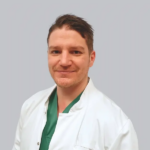
 dr Mikko Juhani Savolainen
Plastic surgeon
Rävala Clinic – Specialist Medical Care and Occupational Health
-

Payment & Appointment Info
Prices
Tallinn
| Service | Price |
|---|---|
| Aesthetic correction of the skin of the trunk The need for and suitability of the procedure will be assessed during a prior consultation with a specialist in Meliva, and the decision to proceed will be made jointly with the specialist. | 4900 € |
Everywhere else in Estonia
This service is not available in selected area
This service is only available in Tallinn. You need to select Tallinn to see a price for this service.
Payment methods
This service is not covered by Meliva Health Insurance. Check your personal coverage limits in the ERGO app.
Referral
An appointment with a specialist is required first to assess whether the service is suitable or necessary.
Clinics offering this service
-
Open

Frequently Asked Questions
What is abdominoplasty?
Abdominoplasty, or tummy tuck, is an operation that removes excess skin and fat tissue from the abdomen and, if necessary, tightens the abdominal muscles.
Does abdominoplasty help with weight loss?
No. Abdominoplasty is not a weight loss operation, but a procedure for correcting body proportions and abdominal contour. The best result is achieved when body weight is stable before the operation.
Who is abdominoplasty suitable for?
The procedure is primarily suitable for adults who have developed excess abdominal skin, loose abdominal wall, or diastasis after pregnancy or significant weight loss.
Can abdominoplasty correct diastasis recti?
Yes, if necessary, the abdominal wall muscles can be tightened during the operation, which helps to better support the abdomen in cases of diastasis.
Is the operation performed under general anesthesia?
Yes, abdominoplasty is performed under general anesthesia.
How long does recovery take?
The duration of recovery depends on the extent of the operation, but usually, several weeks of recovery time should be expected. Strenuous physical activity is often limited for about 4–6 weeks.
Will there be a scar after the operation?
Yes, abdominoplasty leaves a scar, but it is usually placed as low as possible on the lower abdomen so that it remains hidden under underwear or swimwear. The visibility of the scar depends on healing and individual characteristics.
Are drains or a support belt used after the operation?
After abdominoplasty, drains are sometimes used, and it is usually recommended to wear compression garments or a support belt according to the surgeon’s instructions.
When can I return to work?
For lighter work, the return to work time may be shorter, but many patients need about 2–4 weeks for recovery. The exact time depends on the nature of the work and the extent of the operation.
When should I contact the doctor?
You should contact the doctor if the wound bleeds heavily, discharges cloudy or purulent fluid, pain increases and is throbbing, signs of inflammation or fever above 38 °C occur, or if scars remain hard, red, and raised for more than 3 months after the operation.
Are the results permanent?
The results are usually long-lasting, but they can be affected by pregnancy, aging, and significant weight changes.