Periodontal surgery
Periodontal surgery (gum surgery) is a branch of dentistry that focuses on the surgical treatment of the gums and supporting structures of the teeth. It is needed when conservative treatments (such as deep cleaning) have not achieved the desired results or when there are aesthetic gum concerns. The goal of periodontal surgery is to stop the progression of gum disease, restore damaged tissues, and improve the appearance of the gums.

When to see a specialist
- Advanced periodontitis: Gum disease that has caused significant bone loss and gum recession.
- Gum recession: Tooth roots become exposed, leading to sensitivity and aesthetic concerns.
- Uneven gum contour: Gum asymmetry that affects the appearance of the smile.
- Short clinical crowns: Excess gum coverage that makes teeth appear shorter.
- Bone regeneration: Bone grafting to strengthen the supporting structures of the teeth.
- Gum grafting: Transplantation of gum tissue to cover receded areas.
- Dental implant placement: Preparation of gums and bone for the placement of implants.
Common symptoms
-
Bad breath
Bad breath is a symptom in which a persistent unpleasant odor is emitted from the mouth, which may indicate problems with oral hygiene or diseases. -
Changes in tooth position
Teeth shift or spaces between them become wider. -
Deep gum pockets
Deep pockets have formed between the teeth and gums, making them difficult to clean. -
Gum abscess (small pocket of pus)
A small, pimple-like bump on the gum that may be painful. -
Gum recession
The gum tissue has receded, exposing the tooth roots and causing sensitivity or aesthetic concerns. -
Insufficient bone or gum tissue
Bone or gum tissue needs to be restored to preserve teeth or support dental implants. -
Loose teeth
Teeth have become loose due to damage to the gums and supporting bone. -
Persistent gum inflammation
Gum bleeding, swelling, or inflammation continues despite treatment and good oral hygiene. -
Red, swollen, or bleeding gums
These may be signs of gum inflammation.
How to prepare for your appointment
- Bring your ID card or another form of identification with you.
- Write down or think through your main questions and concerns for the appointment.
- Information about previous dental procedures, medications, and your general health is helpful.
- Avoid aspirin and other blood-thinning medications according to your doctor’s instructions before the procedure.
What to expect during your appointment
Consultation and initial examination
We discuss your symptoms, expectations, and medical history.
Diagnostics and treatment planning
The periodontist assesses the condition of the gums and bone, takes X-rays if necessary, and creates an individualized treatment plan.
Anesthesia
The procedure is performed under local anesthesia to ensure a painless experience.
Surgical procedure
Depending on the case, gum plastic surgery, bone grafting, or other surgical interventions are performed.
Aftercare instructions
Detailed guidance is provided for postoperative care and oral hygiene.
Follow-up visits
Regular check-ups are scheduled to monitor healing and remove sutures.
Specialists providing this service










Payment & Appointment Info
Prices
Tallinn
| Service | Price |
|---|---|
| Visit fee in dental care Added to the price of the procedure or appointment. | 20 € |
| Periodontal diagnostics for one sector | 45 € A visit fee is added to the price. |
| Periodontal consultation | 92 € A visit fee is added to the price. |
Tartu, Kuressaare
| Service | Price |
|---|---|
| Visit fee in dental care Added to the price of the procedure or appointment. | 20 € |
| Periodontal diagnostics for one sector | 45 € A visit fee is added to the price. |
| Periodontal consultation | 45 € A visit fee is added to the price. |
Pärnu, Kärdla
| Service | Price |
|---|---|
| Visit fee in dental care Added to the price of the procedure or appointment. | 20 € |
| Periodontal diagnostics for one sector | 37 € A visit fee is added to the price. |
| Periodontal consultation | 40 € A visit fee is added to the price. |
Payment methods
Meliva Health Insurance covers this service under Dental Care coverage. Check your personal coverage limits in the ERGO app.
For insured adults, the dental care benefit provided by the Tervisekassa (Health Insurance Fund) is deducted from the treatment cost at the clinic.
The Tervisekassa (Health Insurance Fund) covers the dental care for insured patients under 19 years of age.
A visit fee may be added to the cost of treatment. Familiarize yourself with Meliva’s policy on charging visit fees.
Referral
You can book this service as a self-paying patient without a doctor’s referral.
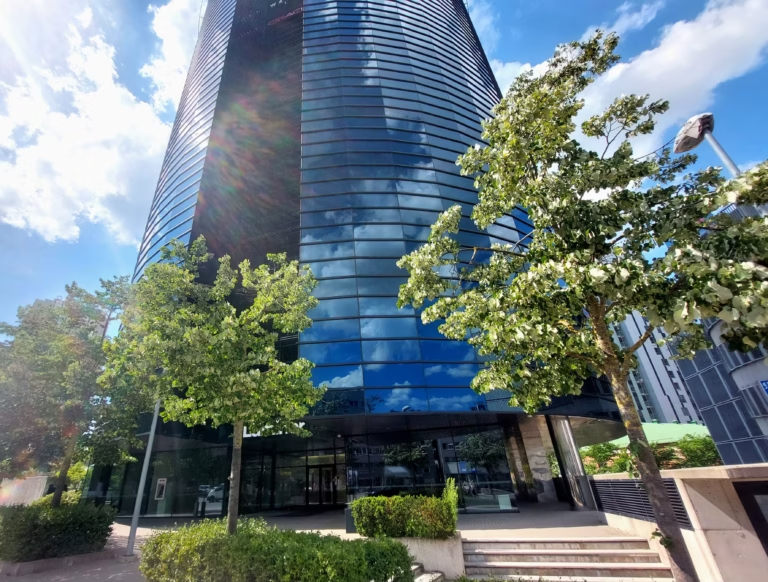
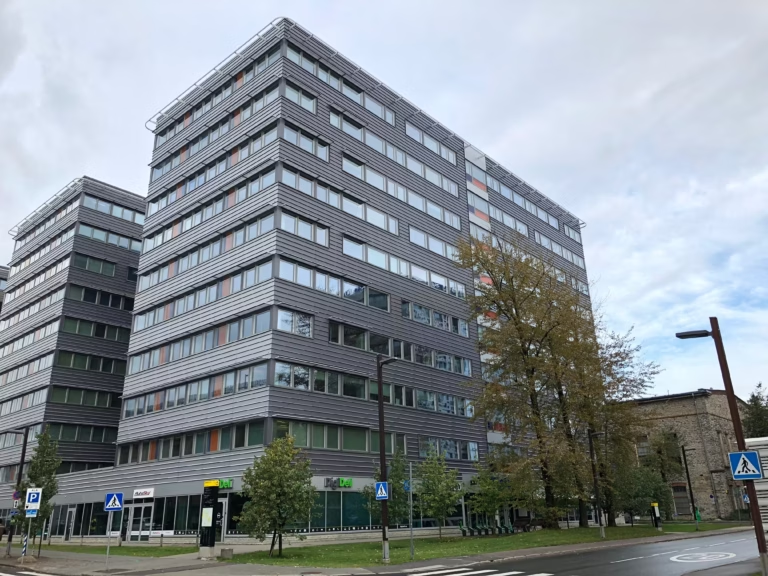
Clinics offering this service






Frequently Asked Questions
What is periodontal surgery?
Periodontal surgery is the surgical treatment of the gums and the supporting structures of the teeth. It is used in cases of advanced gum disease or aesthetic gum problems.
Is periodontal surgery painful?
The procedure is performed under local anesthesia, making it painless. After surgery, mild pain and swelling may occur, which can be managed with pain medication.
How long does periodontal surgery take?
The duration depends on the complexity and extent of the procedure, but it typically lasts between 1 and 3 hours.
What is the recovery time after periodontal surgery?
Recovery is individual, but it usually takes from a few days to a couple of weeks. Following the dentist’s instructions is important.
Can periodontal surgery help with gum recession?
Yes, periodontal surgery can restore gum tissue and cover exposed tooth roots in cases of gum recession.
Is surgery the only solution for advanced periodontitis?
In many cases of advanced periodontitis, surgical treatment is necessary to stop disease progression and restore damaged tissues.
Is periodontal surgery expensive?
The cost depends on the complexity and extent of the procedure. A more precise estimate is provided during a periodontal consultation.
How can I support healing after surgery?
Follow the dentist’s instructions regarding oral hygiene, diet, and medication. Avoid smoking and alcohol.
Are the results of periodontal surgery permanent?
With good oral hygiene and regular follow-up visits, the results can be long-lasting.
Is periodontal surgery suitable for dental implants?
Yes, it can be used to prepare the gums and bone for dental implants, ensuring their stability and longevity.