Bruxism treatment with splints
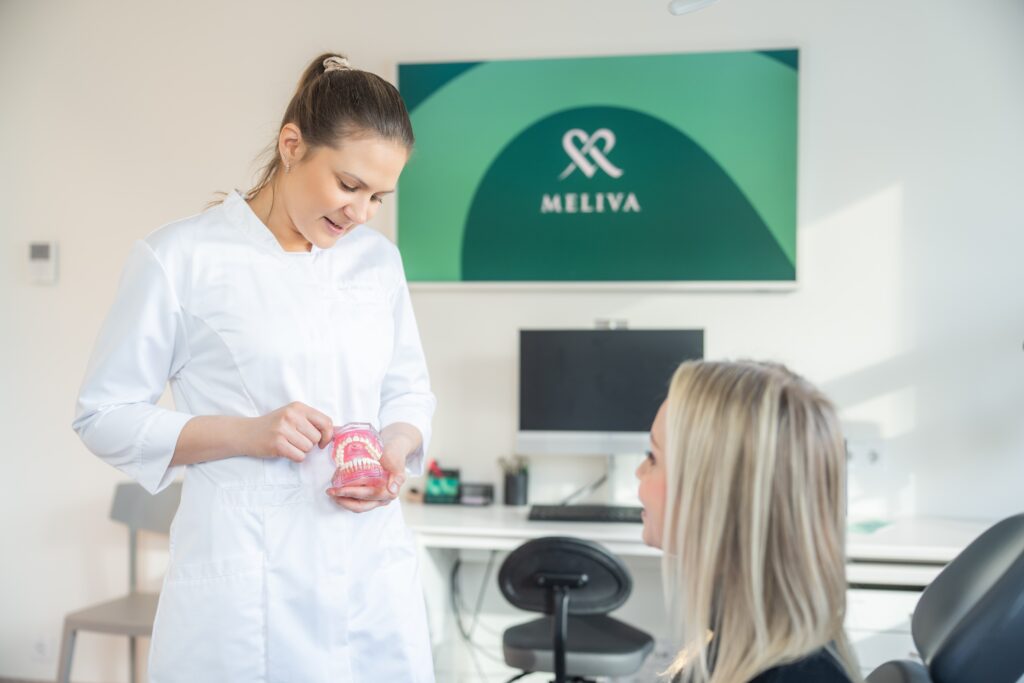
Bruxism treatment with splints (also known as night guards) is a common and effective method for relieving the symptoms of teeth grinding and clenching. Individually made splints protect the teeth from wear, reduce jaw muscle tension, and relieve pain.

When to see a specialist
- Tooth wear and fractures: to protect teeth from further damage.
- Jaw muscle pain and tension: caused by teeth grinding or clenching.
- Headaches and migraines: especially in the morning, related to jaw muscle tension.
- Temporomandibular joint (TMJ) problems: pain and tension.
- Improved sleep quality: by reducing night-time teeth grinding.
- Improved comfort and quality of life: by relieving chronic symptoms
Common symptoms
-
Jaw joint and jaw muscle problems
If there is jaw joint pain, clicking sounds, tension, stiffness, or chronic discomfort in the jaw area. -
Jaw muscle tension or fatigue
When you experience tension, stiffness, or fatigue in the jaw muscles, especially at the end of the day. -
Morning headaches and jaw muscle discomfort
If you frequently wake up with morning headaches or jaw muscle pain that persists or recurs regularly. -
Nighttime teeth grinding or clenching
If your partner or someone close to you has noticed that you grind or clench your teeth during sleep. -
Persistent bruxism symptoms despite treatment
If previous bruxism treatment methods have not provided the desired results and teeth grinding or clenching continues. -
Tooth sensitivity
If your teeth are sensitive to cold, hot or sweet foods and drinks. -
Tooth wear, cracks or fractures
If you notice unexplained tooth wear, cracks or fractures.
How to prepare for your appointment
- Bring with you: ID card or other identification document.
- Write down: your main questions and concerns you wish to discuss with the doctor.
- Information about: previous dental procedures, medications used, and your general health is helpful.
- Note: before starting splint therapy, all other dental and gum problems must be treated.
What to expect during your appointment
Consultation and diagnostics
We discuss your symptoms and assess the condition of your teeth and jaw muscles.
Treatment planning
The diagnosis is explained and a suitable splint therapy plan is proposed. Before starting treatment, other dental and gum problems must be treated.
Impression taking
Precise impressions of your teeth are taken to create the splint.
Splint fabrication
An individual splint is made in a dental laboratory.
Delivery and adjustment
The finished splint is delivered and adjusted in your mouth.
Care instructions
Detailed instructions are provided for wearing and cleaning the splint.
Follow-up appointment
A follow-up visit is scheduled to evaluate treatment effectiveness.
Specialists providing this service
-

-
-
-
-
-
-
-
-
-
dr Jutta Loviisa Juht
Dentist
Kvartal Clinic – Dental Care, Kuressaare Dental Clinic, Ülikooli tänava Dental Clinic
-
-
-
-
-
-
-
-
-
-
-
-





















On the life long mission


Payment & Appointment Info
Payment methods
This service is not covered by Meliva Health Insurance.
Referral
You can book this service as a self-paying patient without a doctor’s referral.
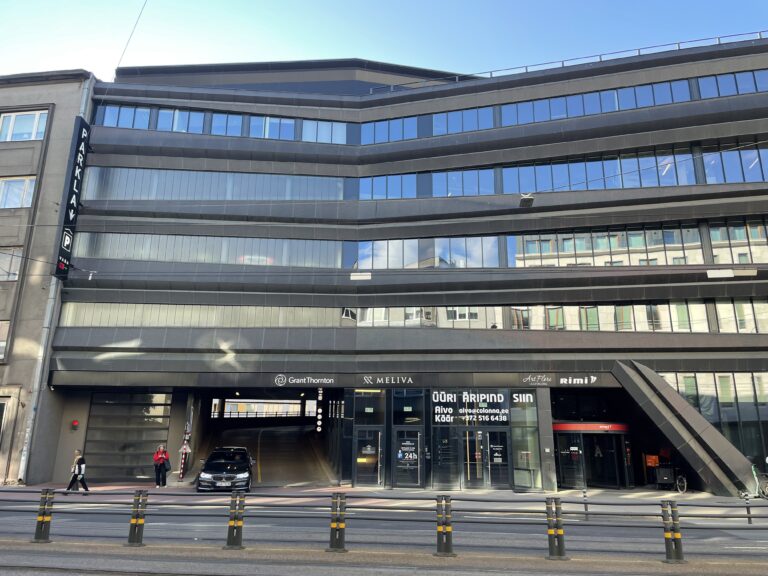
Clinics offering this service











Frequently Asked Questions
What is bruxism?
Bruxism is teeth grinding or clenching that can occur both during the day and at night, and may cause various problems.
How does a splint treat bruxism?
A splint creates a barrier between the teeth, protecting them from wear and helping relax the jaw muscles, reducing tension and pain.
Is wearing a splint painful?
At first, wearing a splint may cause mild discomfort or a feeling of pressure, which usually disappears within a few days.
How long does a splint last?
The lifespan of a splint is individual and depends on the material and how intensively it is used, but it usually lasts several years.
How should a splint be cleaned?
Splints should be cleaned daily using a soft manual toothbrush and liquid soap (not toothpaste). Regular dental check-ups are also important.
Is the splint visible?
The splint is transparent and discreet, making it barely noticeable in daily life. It is typically worn at night.
Is a splint the only treatment for bruxism?
No, other treatment options include stress management, physiotherapy, and botulinum toxin injections. A splint is one of the most common and effective methods.
Can I eat with a splint?
The splint should be removed while eating.
Does a splint help with headaches?
Yes, a splint helps reduce jaw muscle tension, which can contribute to headaches and migraines.
Is a splint suitable for everyone?
Suitability is assessed individually by a dentist, taking into account oral health and the severity of bruxism.