No need to rush on icy ground
What should you do when your feet suddenly slip out from under you, despite your best efforts? How can you tell whether it's a minor injury or a serious one?
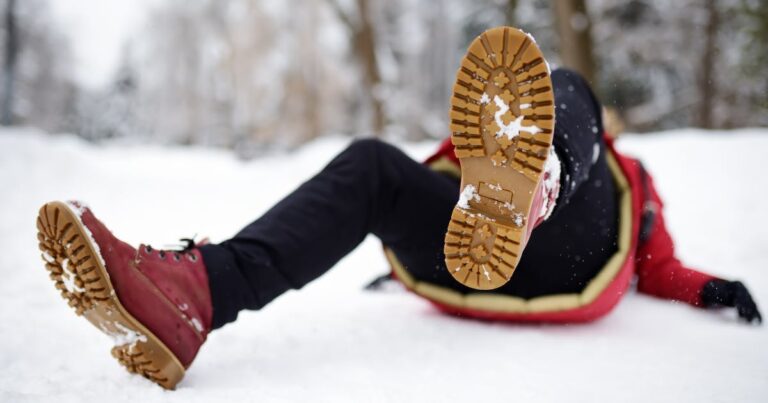
Falls are usually caused by ice forming from fluctuating temperatures. When fresh snow falls on top of it, staying upright becomes a challenge for people of all ages. “Injuries from falling on ice most often include sprains and fractures of the wrist and hand bones. When falling, people instinctively put their hands out to protect themselves, which means the hand takes the impact — or, worse, a bone breaks under the weight of the body,” notes Meliva hand surgeon Kristo Kask.
Minor injury, or a serious one?
If, despite taking precautions, you slip and fall, the first step is to assess how serious the situation is. Pain alone can be hard to judge by, since it’s difficult to tell whether a wrist is sprained or broken — people’s pain thresholds can vary a great deal.
“Once the initial shock has passed, check whether the shape of the injured hand or arm looks visibly different — in other words, whether there’s any deformity. If there’s a bend in the arm, or you feel a crunching sensation when touching it, it’s very likely a fracture. In that case, go to the emergency room, where an X-ray can be taken, a diagnosis made, and initial treatment given,” Kask explains.
If there’s no visible change in shape, and the person is able to get up on their own and move their hands and feet, it’s fine to go home and apply something cold to the injured limb — this helps prevent swelling. Cold should be applied for 5-10 minutes at a time, repeated every couple of hours.
One important thing tends to get forgotten after a fall or injury — giving yourself time to rest. “The injured limb needs rest, and should be elevated where possible. Over-the-counter painkillers from the pharmacy are generally the first choice for easing pain.”
An untreated injury can have serious consequences
If swelling and pain haven’t eased within 2-3 days, it’s time to see a doctor. You can go to your family doctor or directly to a hand surgeon, to identify the cause of the pain and determine treatment. The surgeon notes that wrist ligament injuries often go unnoticed, and people tend to see a doctor later rather than sooner. Left untreated, a torn ligament can, over time, lead to joint wear and damage, which then requires surgery that alters the joint’s anatomy to relieve.
Fractures can also lead to deformity, which can cause pain under load, interfere with hand function, and likewise require surgical intervention.
Kask stresses that pain and discomfort aren’t something to endure — it’s always worth discussing a health concern with a doctor. “It’s much better to address the problem before surgery becomes the only option.”
How can you avoid falling?
Hand surgeon Kristo Kask recommends allowing extra time when moving around outdoors in winter. “There’s no point dashing across the street on a flashing traffic light — the consequences can be unpredictable and painful.”
It’s definitely worth choosing shoes with rubber soles and a good tread pattern before heading out. When walking on slippery streets, take small steps and place your foot flat on the ground to keep your balance — this gives your foot a larger surface area for support. The doctor also stresses that, regardless of the season, it’s important to carry a fully charged mobile phone with you, so you can call for help if needed.
This story was published on 23.01.2023 in Õhtuleht Tervis.