Beauty or health? Plastic surgery helps more than people think
Plastic surgery is often associated with cosmetic operations, like breast augmentation or rhinoplasty. According to Meliva plastic surgeon Mikko Juhani Savolainen, though, surgical intervention often helps improve health and quality of life much more broadly.
Alongside Meliva’s Rävala clinic, Dr Savolainen also practises in Finland. Drawing on his experience there, he confirms that the goal of plastic surgery isn’t always simply to make appearance “prettier.” “At Kuopio University Hospital, every plastic surgery procedure is tied to a health-related cause — for example, reconstruction after breast or skin cancer, burns, and injuries following trauma,” he explains.
In many cases, though, it’s hard to draw a clear line between cosmetic and health-related surgery. “If a woman has large breasts and suffers from ongoing back, neck, and headaches, along with posture problems, breast reduction isn’t simply a matter of appearance — it’s a necessary step toward better health and quality of life for her,” Dr Savolainen offers as an example.
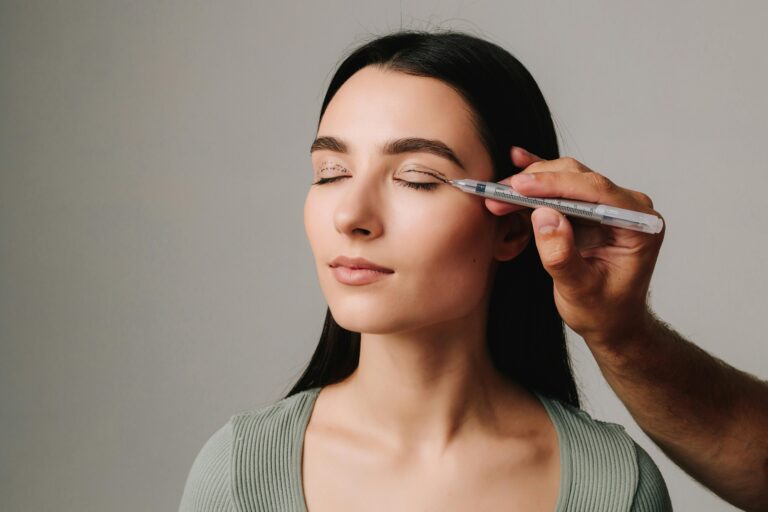
The same applies to eyelid surgery. “On one hand, eyelid correction can refresh a tired-looking facial expression; on the other, it can be a necessary medical procedure to improve someone’s field of vision or reduce headaches,” the surgeon adds.
How can plastic surgery change quality of life?
Beyond physical complaints, many plastic surgery procedures also affect a person’s confidence and mental wellbeing. In his practice, Dr Savolainen has seen how a well-performed operation can bring about a complete transformation in a patient’s life. “When a woman has had a breast removed due to breast cancer and we’re able to reconstruct it, that’s not just a physical change — it helps her feel whole again,” he describes. The surgeon sees similarly life-changing outcomes with breast reduction surgery or the removal of excess skin. “Someone who hasn’t experienced these issues themselves may not realise just how significant a change this is in a person’s life,” Dr Savolainen adds.
Many patients also turn to plastic surgery for help with chronic health issues. “There’s a common belief in society that Botox injections are only used to reduce wrinkles. In reality, it can also treat health problems such as chronic headaches or hyperhidrosis — excessive sweating,” Dr Savolainen illustrates.
Changing trends and cosmetic surgery
In recent years, there’s also been a growing trend of patients wanting to reverse or redo earlier cosmetic procedures. “More and more people who had breast implants placed 10-15 years ago now feel they no longer need them. In these cases, we remove the implants and, where needed, perform a breast lift or fat grafting to preserve an aesthetic result,” Dr Savolainen explains.
At the same time, he stresses that not all cosmetic procedures are actually reversible. “While breast reconstruction is relatively straightforward, anything involving facial surgery is more complex, or even irreversible,” the surgeon says. That’s why he recommends carefully considering any procedure done purely for aesthetic reasons.
The most common medical plastic surgery procedures:
- Post-cancer and post-trauma reconstruction — for example, breast reconstruction after breast cancer surgery, or closing large wounds.
- Breast reduction and body-contouring surgery — removing excess skin following significant weight loss, which reduces physical complaints such as back and shoulder pain.
- Functional aesthetic procedures — such as eyelid correction, when drooping eyelids restrict vision and cause headaches.