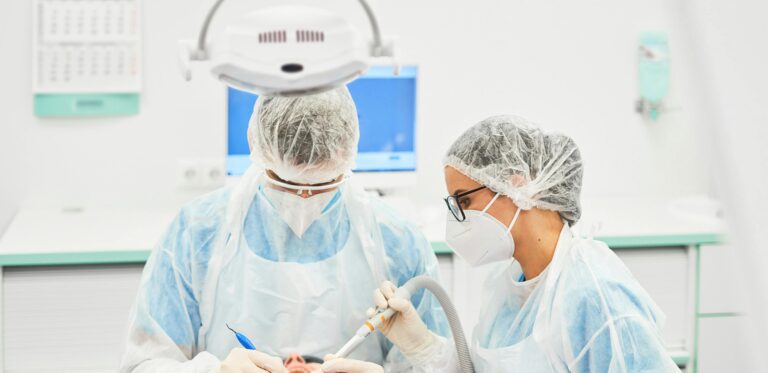
Occupational health is placing growing emphasis on mental wellbeing and a trusting relationship with employers
According to Meliva occupational health physician Dr Toomas Põld, a visit to an occupational health physician helps prevent health problems and catch them early.

The requirement to arrange occupational health check-ups comes from the law, but it isn’t simply a mandatory examination: it helps uncover hidden health concerns, prevent illness, and build employees’ peace of mind. A growing number of companies also see occupational health as part of a caring workplace culture.
According to Dr Toomas Põld, Meliva occupational health physician and board member of the Estonian Society of Occupational Health Physicians (ETTAS), a visit to an occupational health physician helps prevent health problems and catch them early. “Occupational health physicians identify issues the person themselves wasn’t aware of in one out of every five people during check-ups. Half of them later receive a precise diagnosis and treatment plan from a family doctor or specialist,” he said.
Under occupational health and safety law, employers are required to organise occupational health services for their employees. What exactly gets checked during an occupational health visit, though, is something the employer and physician agree on together, depending on the nature of the work and the employee’s tasks.
For example, the Ministry of Social Affairs’ 2019 “Analysis of Mental Health in the Work Environment” found that close to half of Estonian employees consider work-related stress a frequent occurrence at their workplace. Contributing factors include long working days, irregular working hours, difficult clients, a lack of support from colleagues and managers, and fear of job loss.
“Work-related stress can have long-term effects on a person’s physical and mental health, as well as on their ability to work. That’s why it’s important for employers not to limit themselves to occasional measurements, but to build a systematic approach to supporting employees’ mental wellbeing,” said Dr Põld.
Since the start of 2023, companies have been required to carry out a comprehensive analysis of their work environment — known as ETTA — together with an occupational health physician, once every three years. This brings together an overall picture of employees’ occupational health check-up results, a risk analysis of the company’s working environment, and mental health indicators as well. Through this, the occupational health physician gives the employer an overall assessment of the work environment and recommendations for how the company could improve working conditions from a health perspective.
According to Dr Põld, ETTA is a particularly good tool for preventing mental health problems, since it allows for analysing an organisation’s overall picture without singling out individual employees’ issues.
Occupational health as part of a health routine
Katrin Meos, workplace wellbeing lead at Swedbank, noted that regular occupational health check-ups are a natural part of Swedbank’s workplace culture. Employees are offered blood tests, vision and hearing checks, physiotherapy appointments, and mental health assessments.
“The main aim of putting together our occupational health package is to catch any health problem — whether physical or mental — as early as possible,” said Meos.
According to her, employees don’t see this as an obligation, but rather welcome the chance to check their health regularly. “People go willingly, and often ask themselves whether it’s already been a while since their last visit and when they can go again.”
Dr Põld explained that occupational health checks give people peace of mind. “They know that at set intervals, they can get a thorough check on their health. That’s, in a way, a small sense of security.”
We could take a page from our northern neighbours
While people generally aren’t afraid of occupational health check-ups, trust is still lacking, according to Dr Põld. “There’s a lot of worry about whether the employer will find out about a particular illness or mental health issue. In Finland, which has one of the best healthcare systems in Europe, that kind of fear doesn’t exist.”
According to him, our northern neighbours trust both their healthcare system and their employer more than Estonians do. For example, the process for reintegrating someone who’s been on long-term sick leave back into work is very carefully thought through. “The occupational health service provider, the employee, and the employer sit down together and discuss the best way to go about it. Importantly, the conversation isn’t about the employee’s illness, but about their functional capacity,” Põld explained.
Swedbank’s workplace wellbeing lead said that this kind of trust has to be both earned and actively built. She added that Swedbank pays attention to employees’ mental health as early as recruitment, since trust starts with mental wellbeing. “We have people with different neurotypes on our teams who are excellent specialists. But we need to know how we can support and help them in the work environment. We need employees to trust us and feel safe talking about their concerns,” Meos added.
According to Meos, the legal requirement for employers to arrange occupational health checks is justified. “Larger companies probably feel this need more strongly. But the law essentially nudges smaller companies to look after their employees’ health too. In the end, though, what matters isn’t the company’s perspective, but people’s health,” she added.