Dermatologist explains: how to reduce your melanoma risk
Melanoma is the most aggressive form of skin cancer, and both lifestyle and genetic predisposition play a role in developing it.
Over the past forty years, the number of people diagnosed with melanoma has quadrupled. Among 15-29-year-olds, melanoma is now the second most common cancer. What are the risk factors, and how can you protect your health?
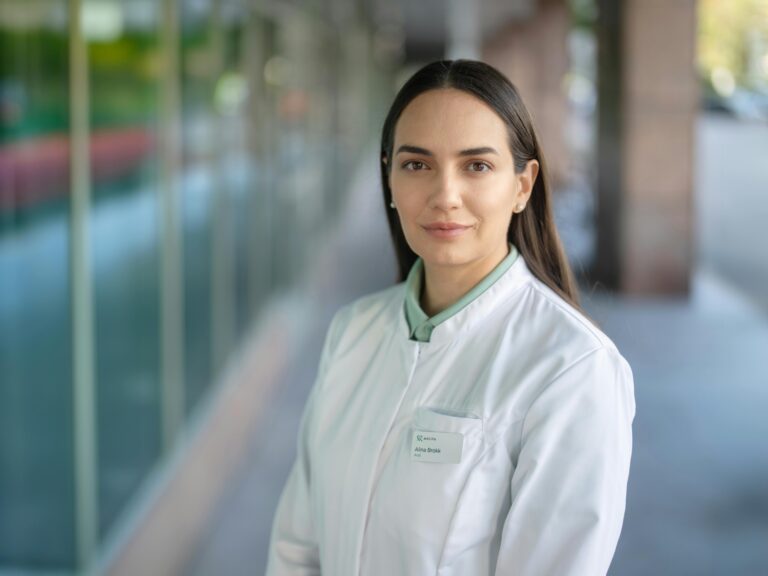
Melanoma develops when DNA damage occurs in the skin’s pigment-producing cells, leading to uncontrolled growth of those cells. Alina Brokk, Meliva’s lead dermatologist, explains that both lifestyle and genetic predisposition influence the risk of developing melanoma.
“Using sunbeds, intense sun exposure on trips to hot destinations, and sunburns — especially in children — all increase the risk of melanoma,” says Dr Brokk. She notes that while Estonians are generally well aware of skin health and do see a doctor readily, the need for sun protection still tends to be underestimated. “Sunscreen either isn’t used at all, or too little is applied. Covering the whole body properly requires around 20-30 ml of cream at a time, and sun protection needs reapplying every two hours, or it stops being effective,” Dr Brokk explains, adding that many people see reddened skin as a natural part of tanning, when it’s actually a sign of sun damage that should be avoided at all costs.
Choices made when young affect skin health for a lifetime
Dr Brokk stresses that skin health needs to be looked after from a young age. The effects of sunbed use and excessive sun exposure can’t later be undone by adopting healthier habits. “I see a lot of patients who spent a lot of time in the sun when they were younger but have since changed their habits. Yet I’ve diagnosed skin cancer in people in their seventies, even though they haven’t been in the sun at all for the past 20 years,” the doctor says.
People at higher risk of melanoma include those with fair skin, eyes, and hair, whose skin produces less of the protective pigment melanin, as well as people with freckles and a high number of moles. “Moles should be checked regularly. It’s especially important to see a doctor if a new growth appears on the skin, or if a mole changes shape — that can be lifesaving.” Dr Brokk recommends an initial dermatologist check-up between ages 18 and 21.
Genetic risk and prevention
An elevated melanoma risk can be identified through genetic testing. “Learning about a genetic predisposition early on makes it possible to change health behaviours. Regular skin checks and risk-based monitoring help detect melanoma early, significantly improving treatment outcomes,” says oncologist Dr Peeter Padrik, encouraging people to look after their health.
Dr Padrik explains that genetic risk for melanoma can be significant even without any family history of cancer. “Polygenic risk — the risk arising from the interaction of multiple genes — comes from the combined effect of genes inherited from both mother and father. This means a person can develop cancer even if there’s been no previous history of tumours in the family.”
Genetic testing can reveal a person’s genetic risk level for melanoma, whether and how often they should have check-ups, what signs and changes to watch for, and what steps each person can take themselves to reduce their risk. Genetic testing is recommended for both women and men aged 18-70.
Melanoma caught at an early stage is highly treatable
According to the dermatologist, people may not always recognise the symptoms of melanoma at an early stage, which is why modern genetic technology plays an important role in prevention and detection. “About 75% of melanomas seem to appear out of nowhere — they aren’t the typical brown or dark shades, but pink instead. That makes melanoma harder to recognise visually.”
Dr Brokk stresses that early diagnosis of skin cancer is critical. “With early detection, the five-year survival rate is over 90%, whereas for stage-four melanoma, it drops to just 15-20%. We only have one skin, and it needs protecting. Regular skin checks and risk-based monitoring help catch melanoma at an early stage, significantly improving treatment outcomes.”
What should you watch for with moles?
Moles, or naevi, are pigmented spots found on most people’s skin. Unfortunately, some moles can become malignant, which is why it’s important to check your body once a month, to catch any moles that have changed in appearance and show them to a doctor early.
What does a benign mole look like?
Most pigmented moles are benign, recognisable by having a regular border, an even colour tone, and symmetry — if you draw an imaginary line vertically or horizontally through the mole, the two halves should mirror each other. So: if a mole’s shape and colour stay consistent, there’s no cause for concern.
What does a malignant mole look like?
If, on examining your skin, you notice a mole that has grown larger, become asymmetrical, shows multiple shades of colour, or is bleeding, it should be shown to a doctor, as it could be a malignant tumour — melanoma. The same applies if a new mole appears that’s asymmetrical, multicoloured, and has a jagged or notched border.
This article was first published on Tervis Pluss on 27.05.2025.